Bluegill
Lepomis macrochirus
Bluegill is a small, deep-bodied panfish of the sunfish family, named for the blue sheen on its gill cover and lower jaw.
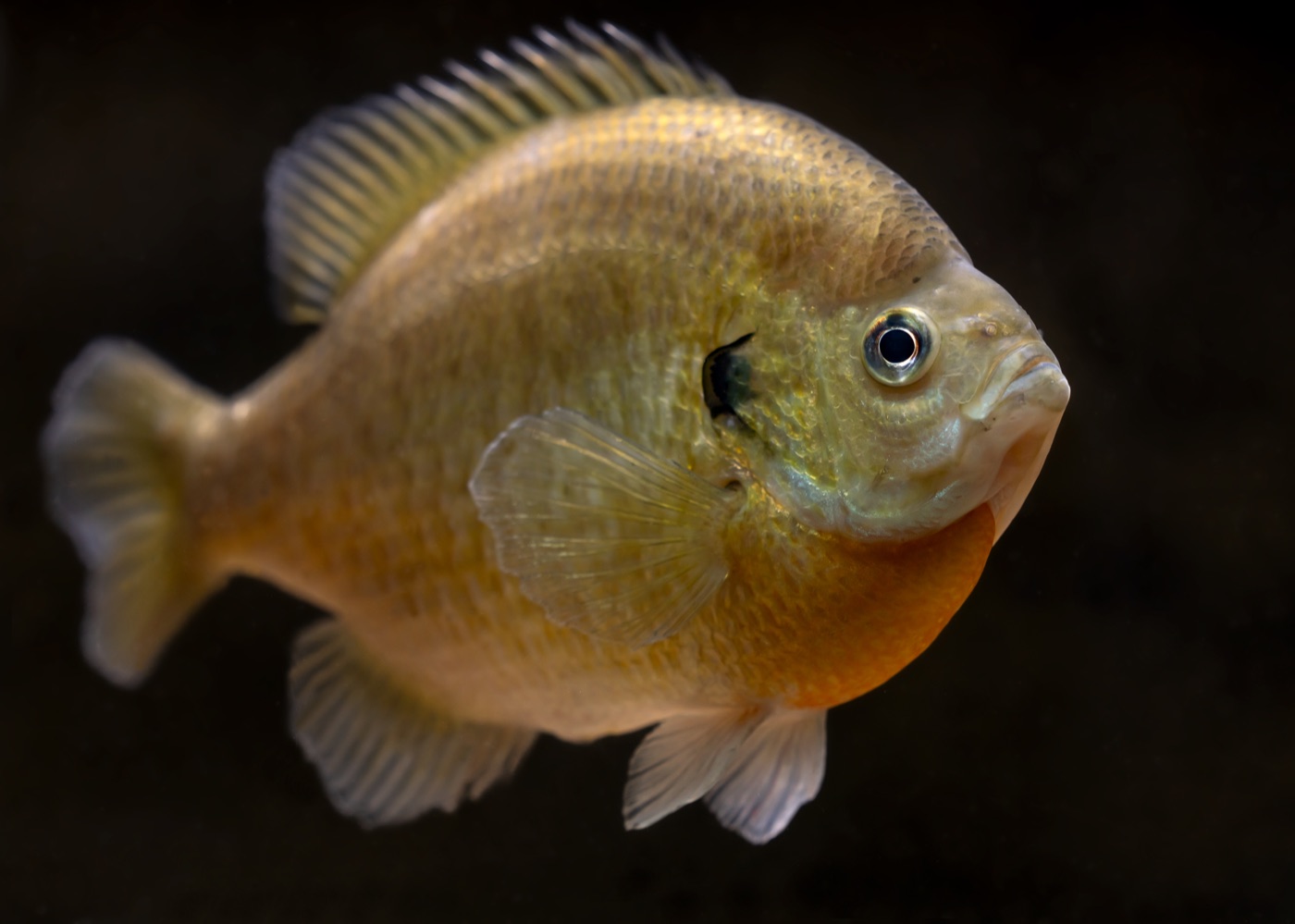
MoreFull Species Details
- Species Name
- Lepomis macrochirus
- Family
- Centrarchidae
- Order
- Centrarchiformes
- Also Known As
- Bream, Brim, Sunny, Copper nose
Bluegill (Lepomis macrochirus) Fish Description
Bluegill is a small, deep-bodied panfish of the sunfish family, named for the blue sheen on its gill cover and lower jaw.
The body is round and laterally flattened, olive to blue-green above with a yellow or orange breast and faint vertical bars along the flanks. A dark blue-black flap at the rear of the gill cover and a small black blotch at the base of the soft dorsal fin identify the species. The mouth is small, suited to insects and tiny prey rather than large fish. Breeding males intensify to deep copper and blue, glowing with color over the nest. The compact, disc-shaped body makes even a modest bluegill feel strong against light tackle.
Bluegill is native to the eastern and central United States and northern Mexico. Widespread stocking has since made it one of the most common freshwater fish across North America and beyond, where it is prized in ponds and reviled as an invasive in a few regions. The species thrives in warm, weedy lakes, ponds, and slow rivers. Anglers, and especially young ones, seek bluegill for their abundance, their willingness to bite, and their excellent flavor, making them the classic first catch and a staple of family fishing.
Interesting Facts About Bluegill
- The world record bluegill weighed 4 pounds 12 ounces, caught in Alabama in 1950.
- Bluegill can live up to 8 years, though most live 4 to 6 in the wild.
- Males build and fiercely guard shallow, saucer-shaped nests in colonies.
- Bluegill spawn repeatedly from late spring through summer in warm water.
- A single bluegill nest colony can hold dozens of beds close together.
Show more facts
- The species feeds mainly on insects, larvae, and small crustaceans.
- Bluegill are a primary forage fish for largemouth bass in most waters.
- The dark ear flap gives the bluegill its name and identifies the species.
- Bluegill can reproduce rapidly and overpopulate small ponds if unmanaged.
- The species tolerates warm water up to about 95 degrees Fahrenheit.
- Bluegill are the official state fish of Illinois.
- Their deep, flat body lets bluegill turn sideways and resist strongly on light line.
Average Speed & Size
Bluegill is a nimble, short-range swimmer that typically reaches 4 to 8 inches and under half a pound. Exceptional fish exceed 10 inches and a pound, with the record near 4.75 pounds. The species darts quickly among weeds and structure in short bursts rather than open-water sprints. When hooked, a bluegill turns its flat body against the pull, using leverage rather than speed to fight far harder than its small size suggests.
Where to Find Them
Bluegill is found in warm, weedy ponds, lakes, and slow rivers across most of North America. The species holds near cover: submerged weeds, docks, brush, and shoreline structure that shelter insects and small prey. Bluegill favor warm water above 65 degrees Fahrenheit and gather in the shallows to spawn through summer, forming visible nest colonies on firm bottom. In heat they move slightly deeper by day. Bluegill are largely absent from cold, fast trout streams and deep, open water, which lack the warmth and cover the species needs.
Bluegill Fishing Tips
Bluegill fishing is the easiest and most accessible freshwater angling, ideal for beginners and children. Success comes from fishing small baits near cover in warm, shallow water, especially around spawning beds.
Equipment
Use an ultralight spinning rod or a simple cane pole with 2- to 6-pound line and a small hook. The light tackle makes even a palm-sized bluegill fun and lets tiny baits move naturally. A small float set shallow suspends the bait at the depth bluegill feed and signals their light bite.
Chumming
Chumming with bread, corn, or crushed insects can gather bluegill into a tight, feeding school where legal. Scattering a little bait near cover concentrates fish and sustains a steady bite. During the spawn, simply casting to visible beds needs no chum, as guarding males strike readily.
Bait
Live worms, crickets, and grubs are the top natural baits and rarely fail. Small jigs, tiny spinners, and foam or sponge flies also produce well on light tackle.
Patience
Bluegill bite readily but often nibble tiny baits, so a small hook and a light float help detect the take. Little patience is required, which is exactly why the species suits new anglers.
Conditions that change the bite
- What Barometric Pressure Is Best for Fishing? No research supports a single best barometric pressure for fishing. What pressure really does, how big a weather swing is, and what to watch instead.
- Fishing After Rain: What Runoff Actually Changes Rain rewrites four things at once: clarity, flow, temperature and oxygen. What runoff actually does to the water, which fish it favors, and when to go back.
- Reading River Levels: Fishing by the Gauge More than 13,500 USGS streamgages report stage and flow in near real time. How to read gauge height, cfs and the hydrograph before you drive to the river.
Guides for fishing this species
- Panfish: What Counts, and Why They Matter More Than You Think Panfish is an angler's word, not a biologist's — Wisconsin's legal list has 8 species, New Jersey counts three groups. Who qualifies and why they matter.
- Bass Fishing for Beginners: Largemouth 101 Where largemouth bass hold, how the seasons move them, and the lure categories that catch them — a beginner's guide built on state agency sources.
- Fishing Hook Sizes Explained: From #32 to 19/0 How hook sizing really works — numbers down, aughts up — plus hook anatomy, matching size to bait and species, and why agencies push circle and barbless hooks.
- Fly Fishing Basics: What It Is and How to Start Fly fishing explained by state agencies: why you cast the line instead of the lure, the outfit you actually need, what flies imitate, and where to begin.
- Fly Line, Leader and Tippet: The Setup Explained Backing, fly line, leader, tippet — what each section does, how line weights match your rod, and the knots that join them. The fly setup, front to back.
- How to Fly Cast: The Basic Overhead Cast The four-part overhead cast taught by state angler education: pick up, back cast, forward cast, lay down — plus the pause that makes it work.
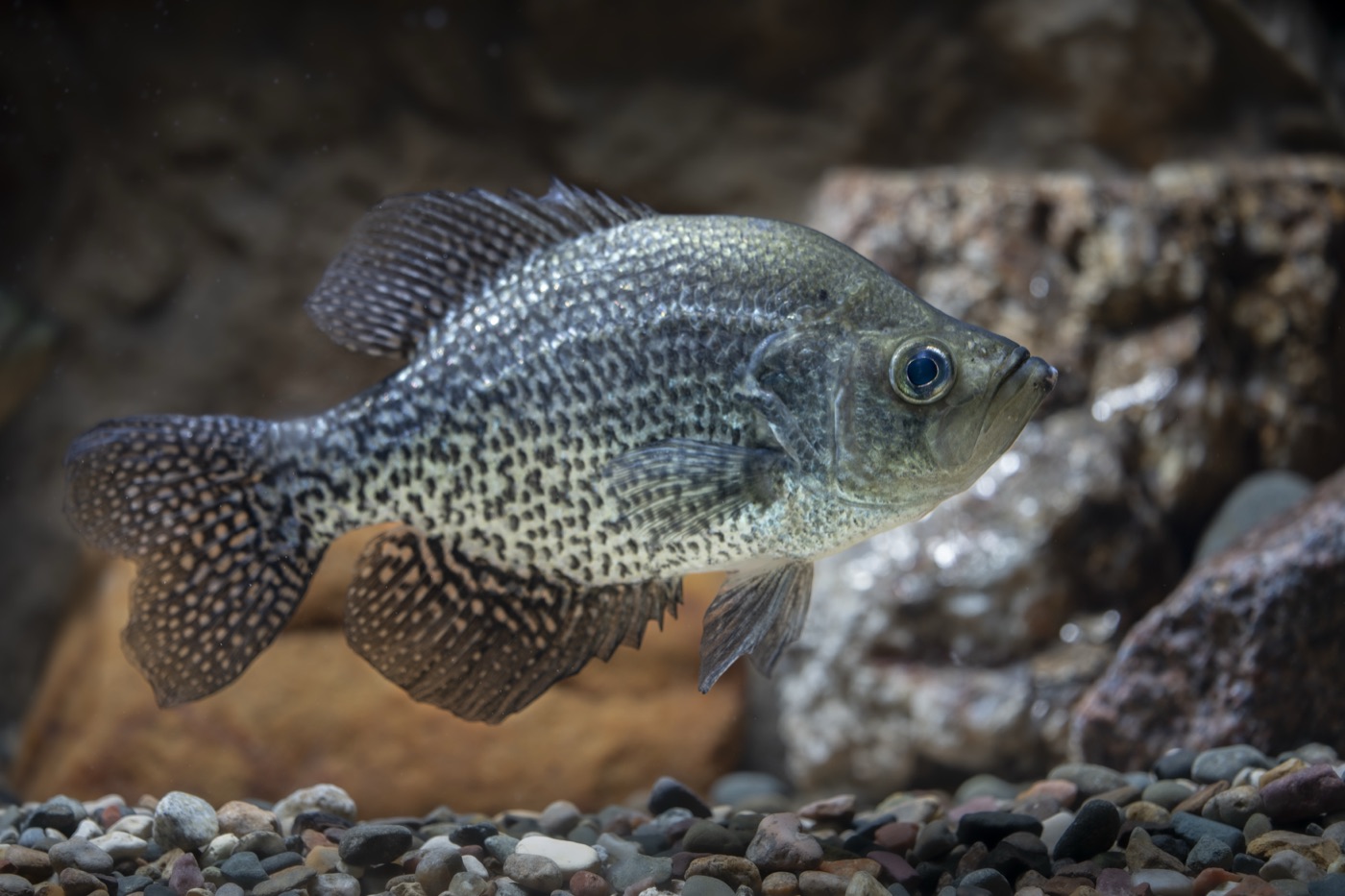
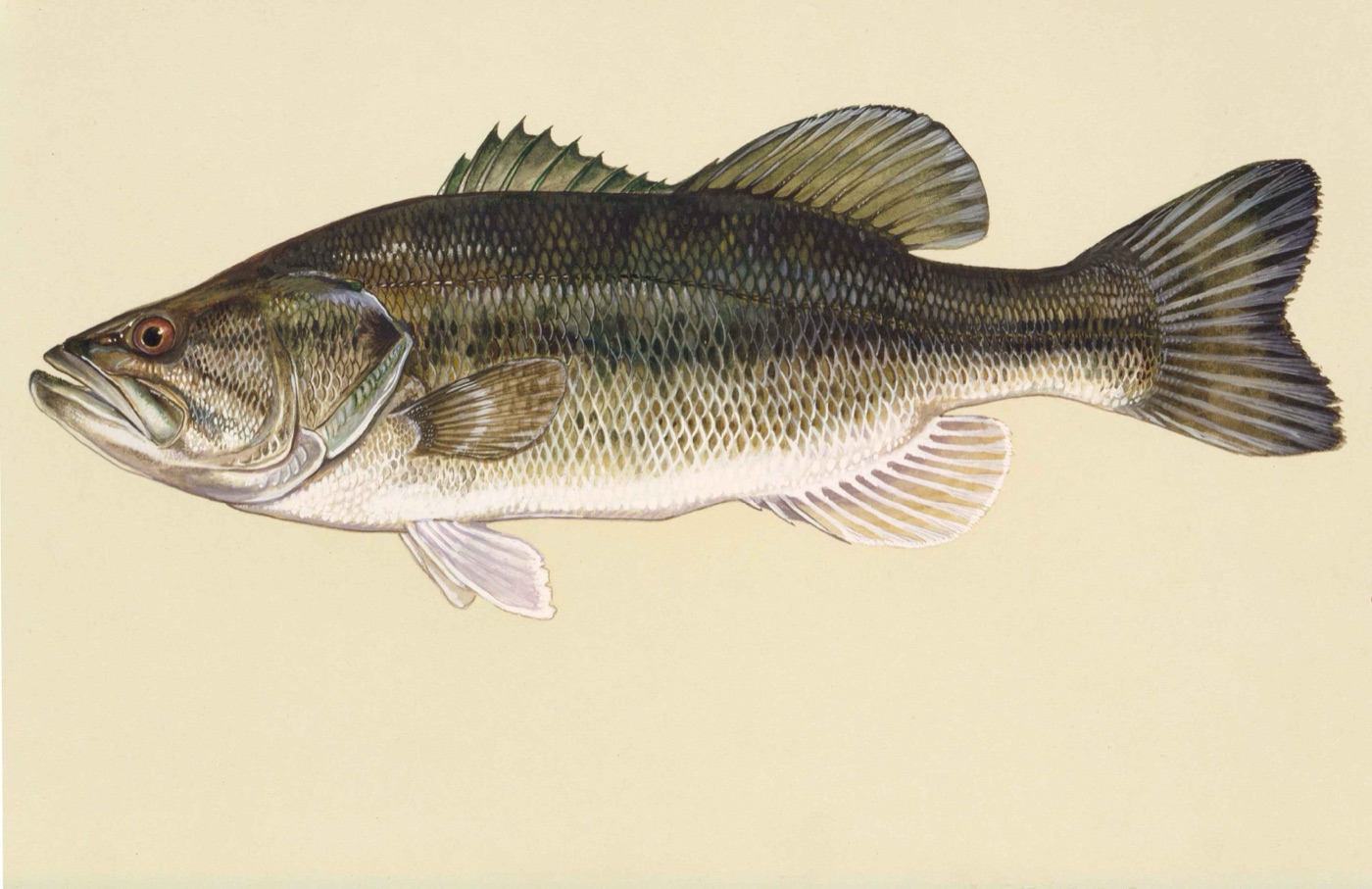
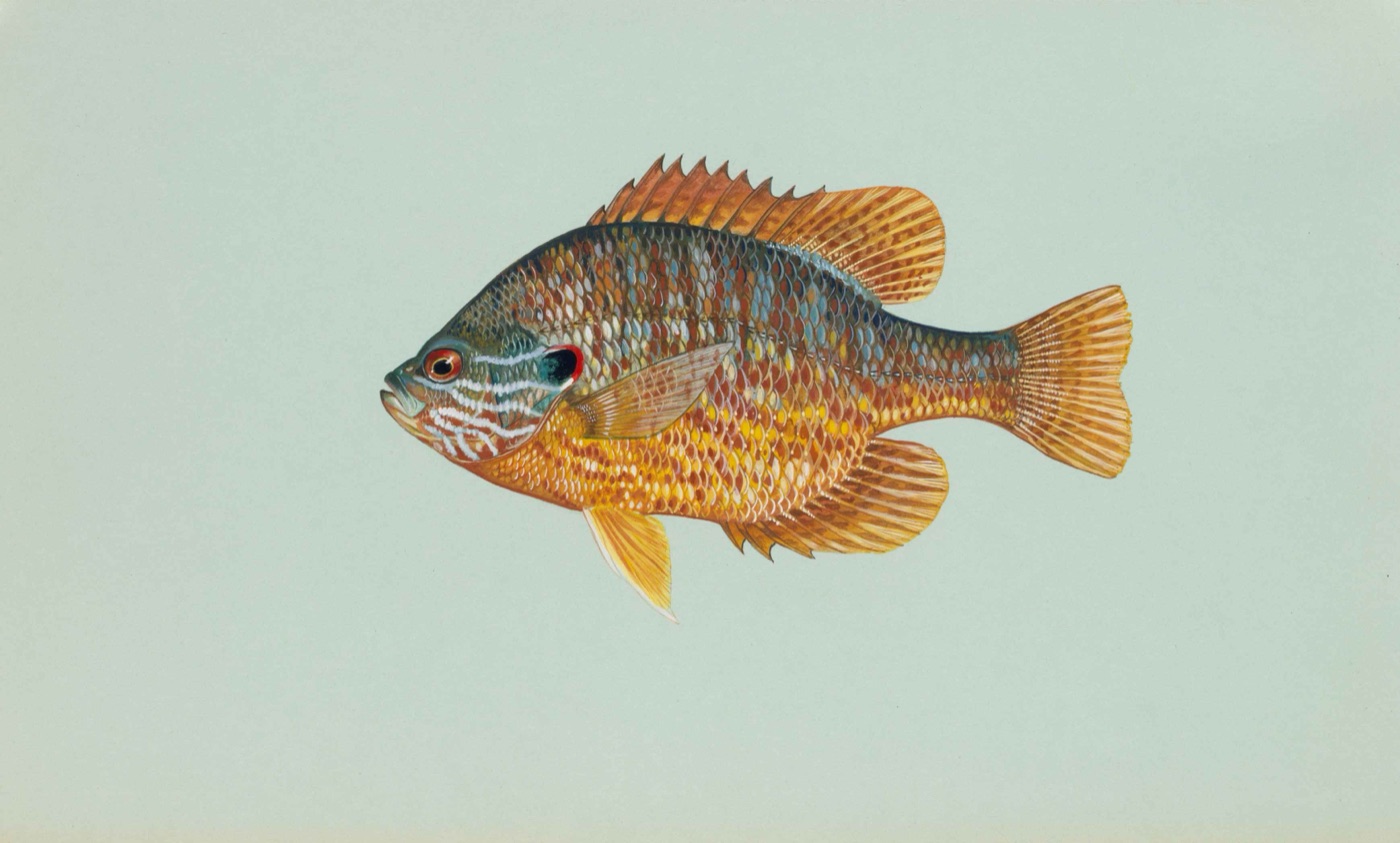
Related Species
Know when they'll bite.
BiteScore forecasts when bluegill will feed at your spot — from live weather, pressure, and moon data.
Get the App