Best Fishing Spots in Tennessee: Five Lakes and the Exact Place to Fish on Each
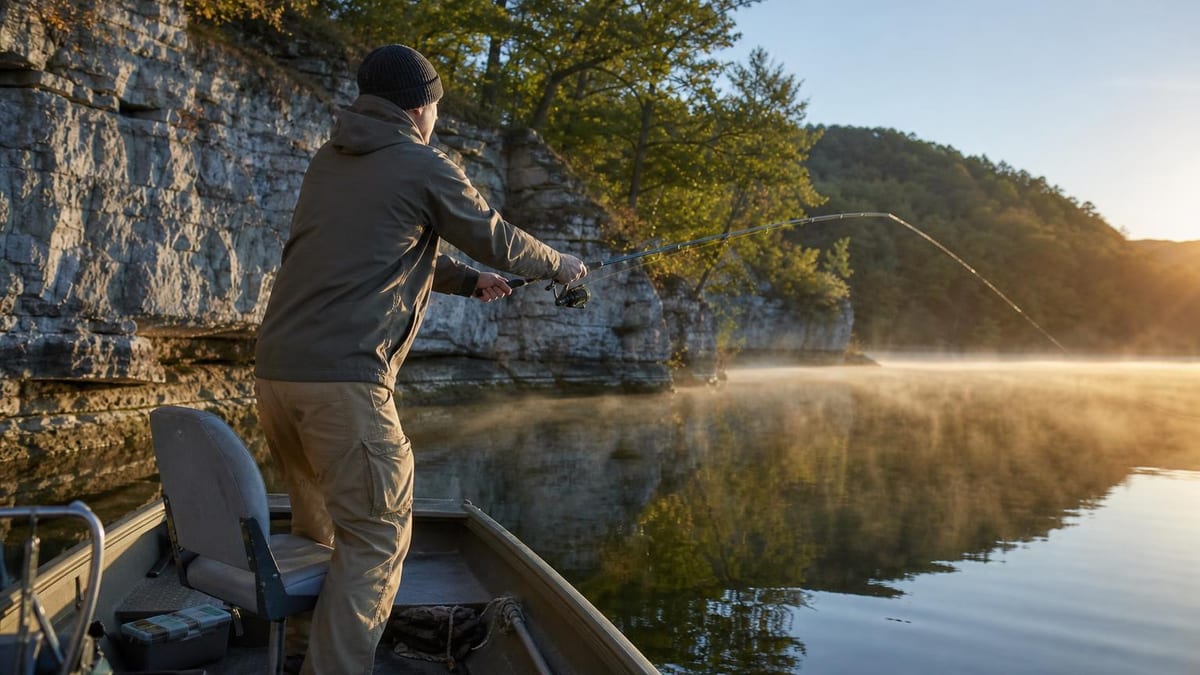
Five Tennessee waters, each with a pinpoint the Tennessee Wildlife Resources Agency names on its own lake pages: the rocky lower end of Dale Hollow for smallmouth, the Blue Hole on the Caney Fork for the March walleye run, the Pickwick Dam tailwater for winter sauger, the river below John Sevier Dam for stripers and saugeye, and Reelfoot Lake's Lower Blue Basin for crappie and bluegill.
Key takeaways
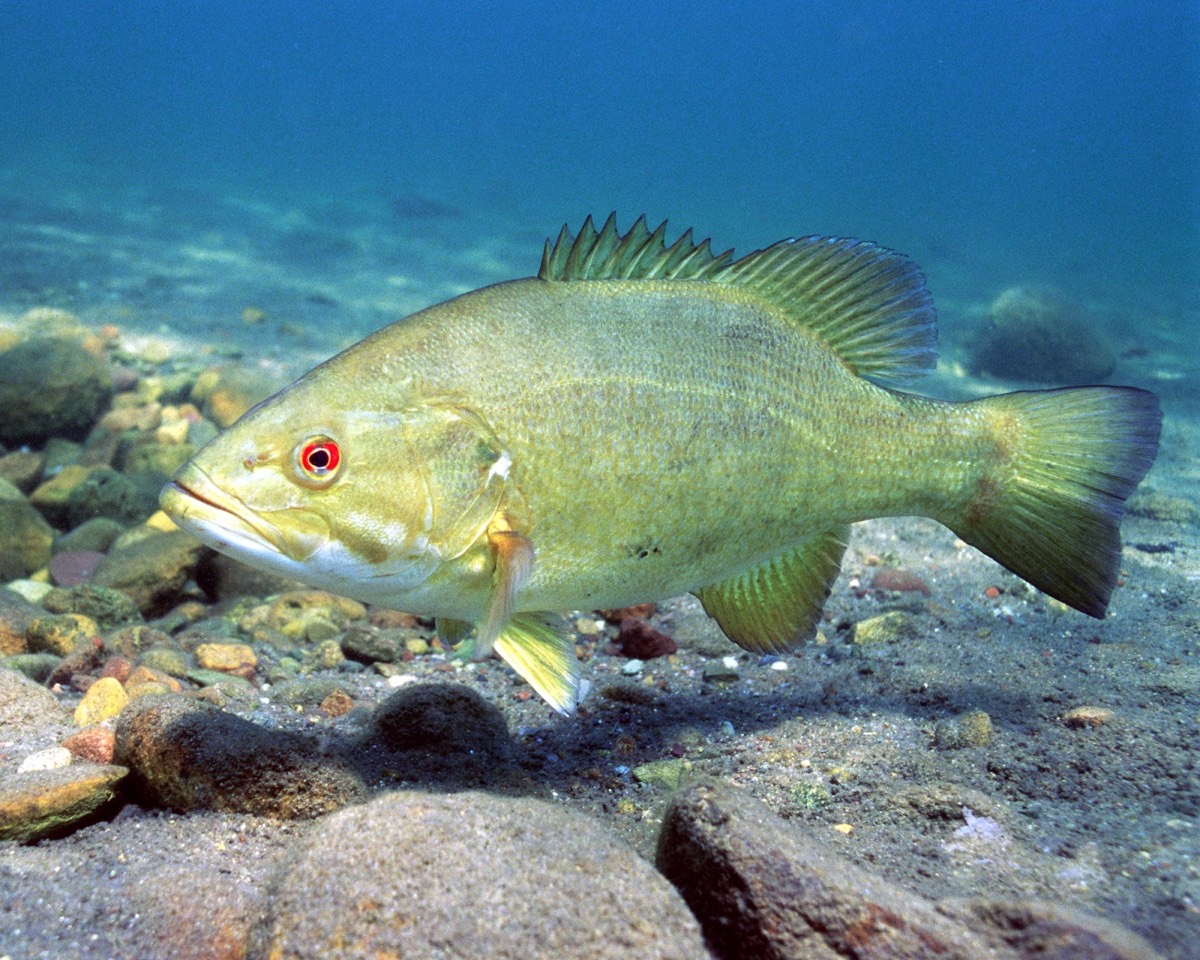
- Dale Hollow still holds the world-record smallmouth bass — 11 lb 15 oz, caught in 1955 — and TWRA's creel surveys put the average smallmouth anglers catch there at around 3 pounds.
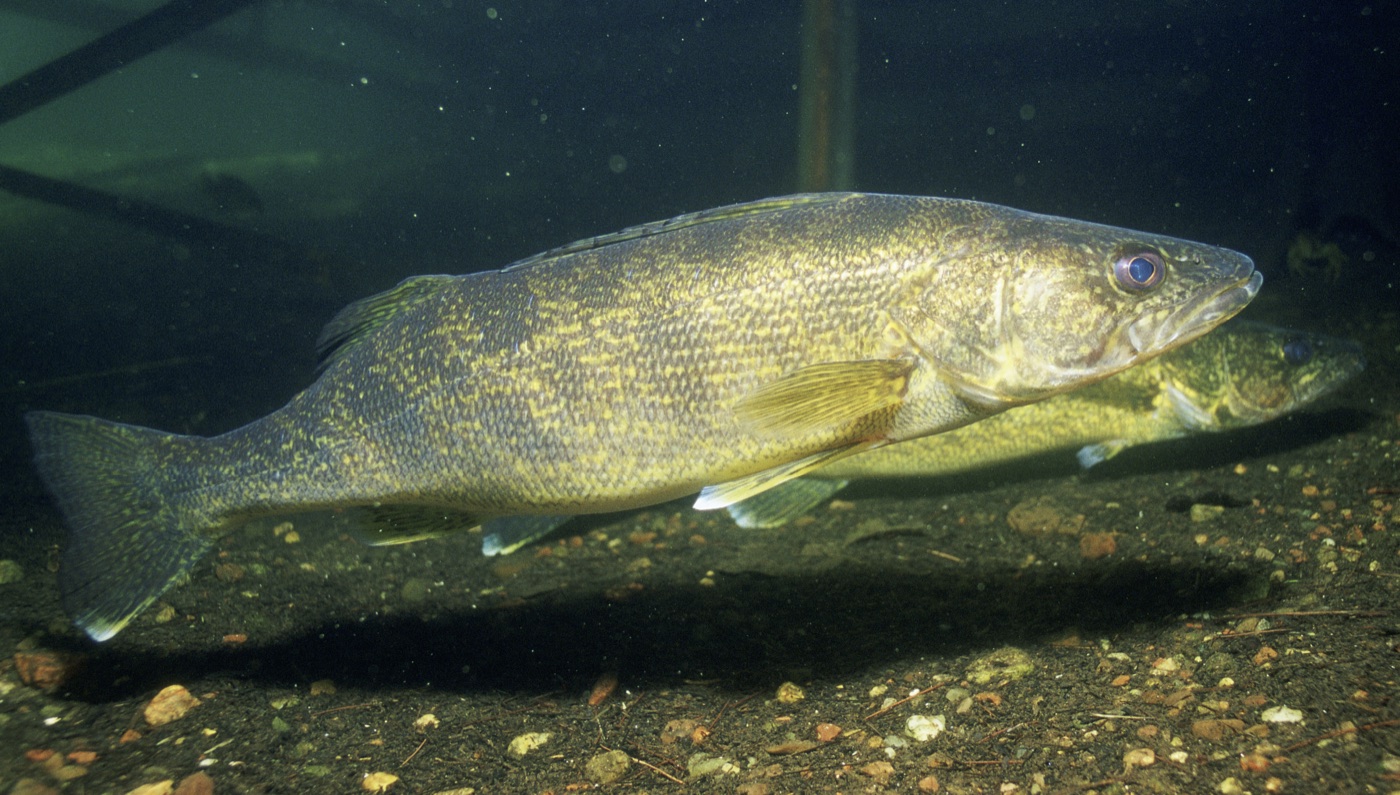
- TWRA names the Blue Hole on the Caney Fork near Rock Island State Park as the place for Center Hill's mid-March walleye spawning run.
- December to March is sauger season below TVA dams such as Pickwick, fished with a heavy jig and a short 'stinger' treble hook, per TWRA.
- On Cherokee Lake, stripers, saugeye and walleye gather upstream near the John Sevier Steam Plant from January through May.
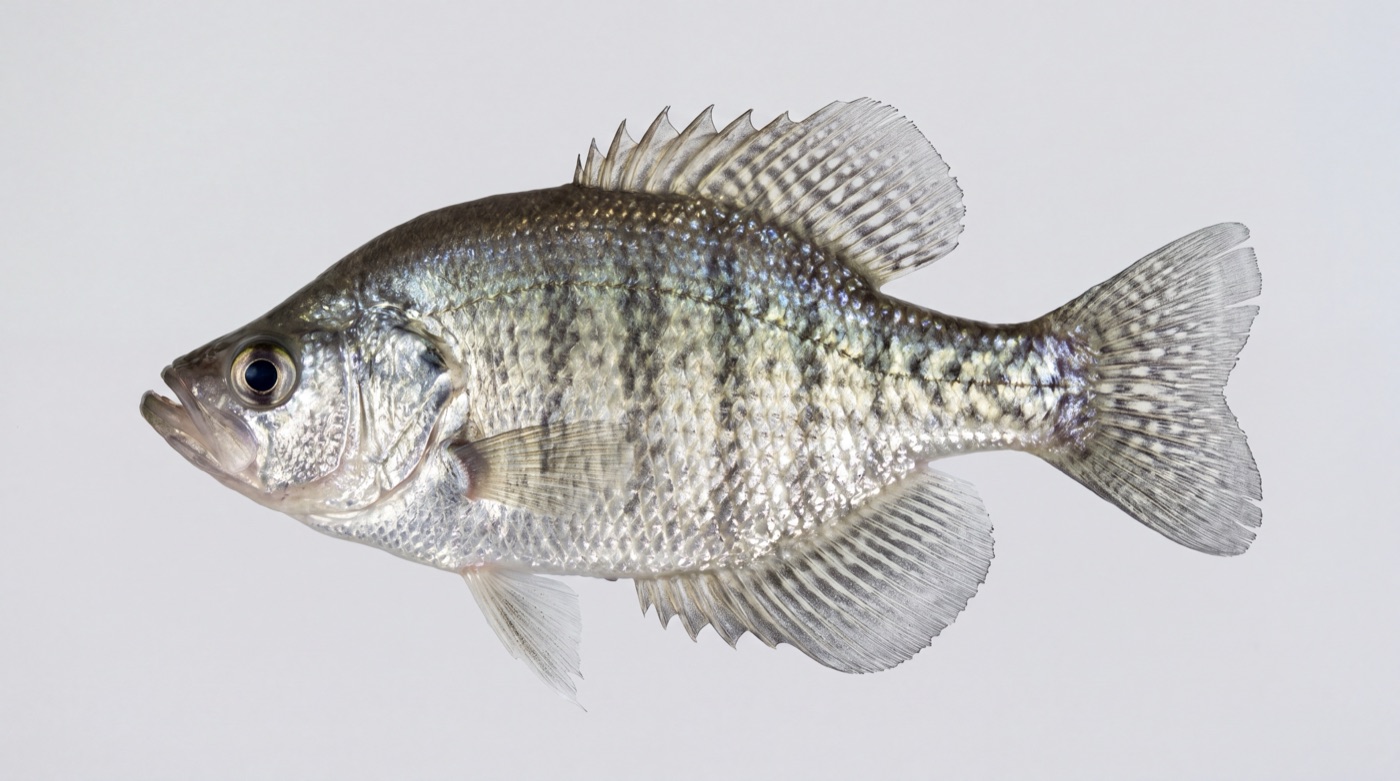
- Reelfoot Lake's crappie and bluegill rank among the best in the state; most crappie are harvested in the Lower Blue Basin, and lake users need a Preservation Permit unless exempt.
How these five were chosen
The Tennessee Wildlife Resources Agency publishes a page for every major reservoir, and the best of them read like a local’s notebook: species by species, season by season, with the creek, the basin or the dam where the fish go. This page is built from those pages. A water made the list if TWRA describes a strong fishery there and names a specific public place we could put a pin on.
That second test is the reason Norris, Chickamauga and Percy Priest are missing. They are excellent lakes, but their pages describe the whole reservoir rather than a single spot we could map with confidence.
| # | Pinpoint | Water | Best bets (TWRA) | Access |
|---|---|---|---|---|
| 1 | Lower lake by the dam | Dale Hollow Lake | Smallmouth bass, walleye, trout | Boat |
| 2 | Blue Hole, Caney Fork | Center Hill Lake | Walleye (March), smallmouth, crappie | Bank, boat |
| 3 | Pickwick Dam tailwater | Kentucky Lake | Sauger (Dec–Mar), catfish, bass | Bank, boat |
| 4 | Below John Sevier Dam | Cherokee Lake | Striped bass, saugeye, walleye | Bank, boat |
| 5 | Lower Blue Basin | Reelfoot Lake | Crappie, bluegill | Boat |
Tennessee anglers need a licence from age 13, Reelfoot adds its own Preservation Permit, and several of these lakes carry special rules that differ from statewide ones. TWRA’s lake pages list them; we mention a rule only where it decides how you fish.
Dale Hollow Lake — lower lake by the dam
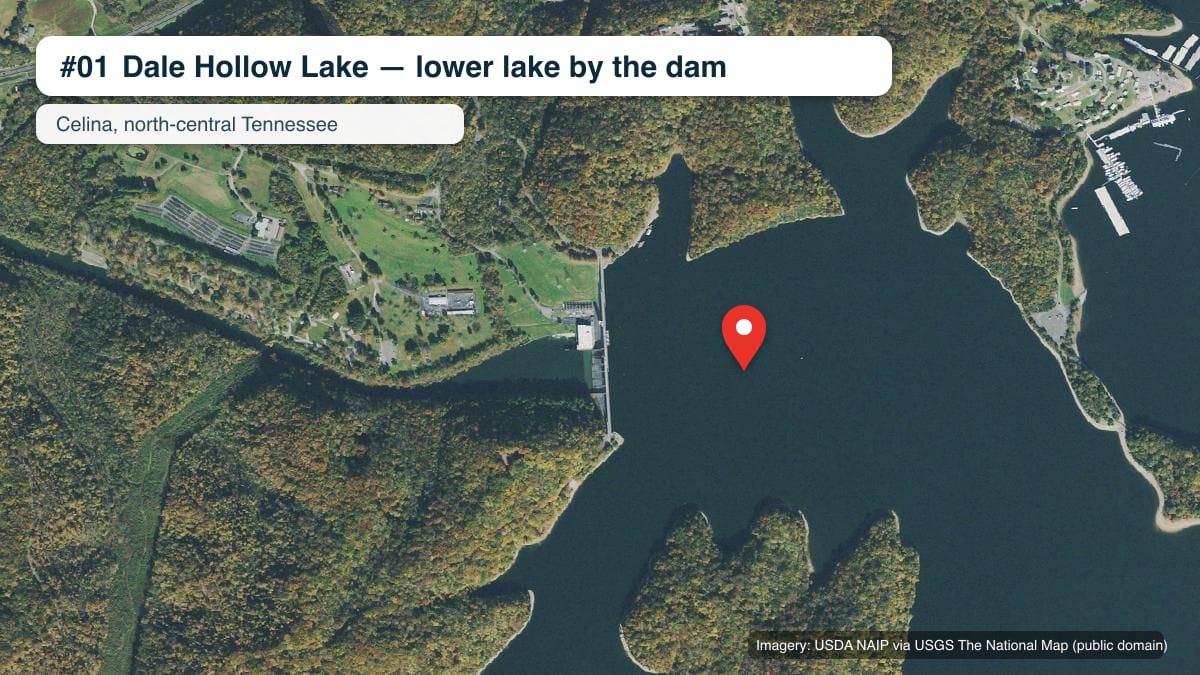
Why it is on the list. Dale Hollow holds the state and world-record smallmouth bass — 11 pounds 15 ounces, caught in 1955 — and TWRA says the lake “continues to be a national destination” for smallmouth. Its roving creel surveys put the average smallmouth anglers catch at around 3 pounds, with catch rates above average. The lake covers 27,700 acres with 620 miles of clear, rocky shoreline across the Tennessee–Kentucky line near Celina.
Why this exact spot. TWRA’s page keeps returning to the lower end. That is where several walleye spawn on rocky banks in 6 to 12 feet of water, where largemouth school under shad in winter, and where stocked rainbow trout hold on rocky banks and points — with trolling for trout starting in deeper water near the dam in May. The pin sits on open water just above the dam.
Target fish (TWRA). Smallmouth bass · largemouth bass · walleye · rainbow trout · black crappie · redear sunfish.
Techniques by season.
- Smallmouth, early spring: points and gravel flats around the spawn, when water reaches roughly 59–60 °F. Crankbaits, jerkbaits and jigs that imitate crayfish, shad and alewives.
- Smallmouth, summer: night fishing with jigs, spinnerbaits and soft plastics on vegetation and points in 15 to 25 feet. In winter, live shad — and TWRA suggests circle hooks to cut deep-hooking.
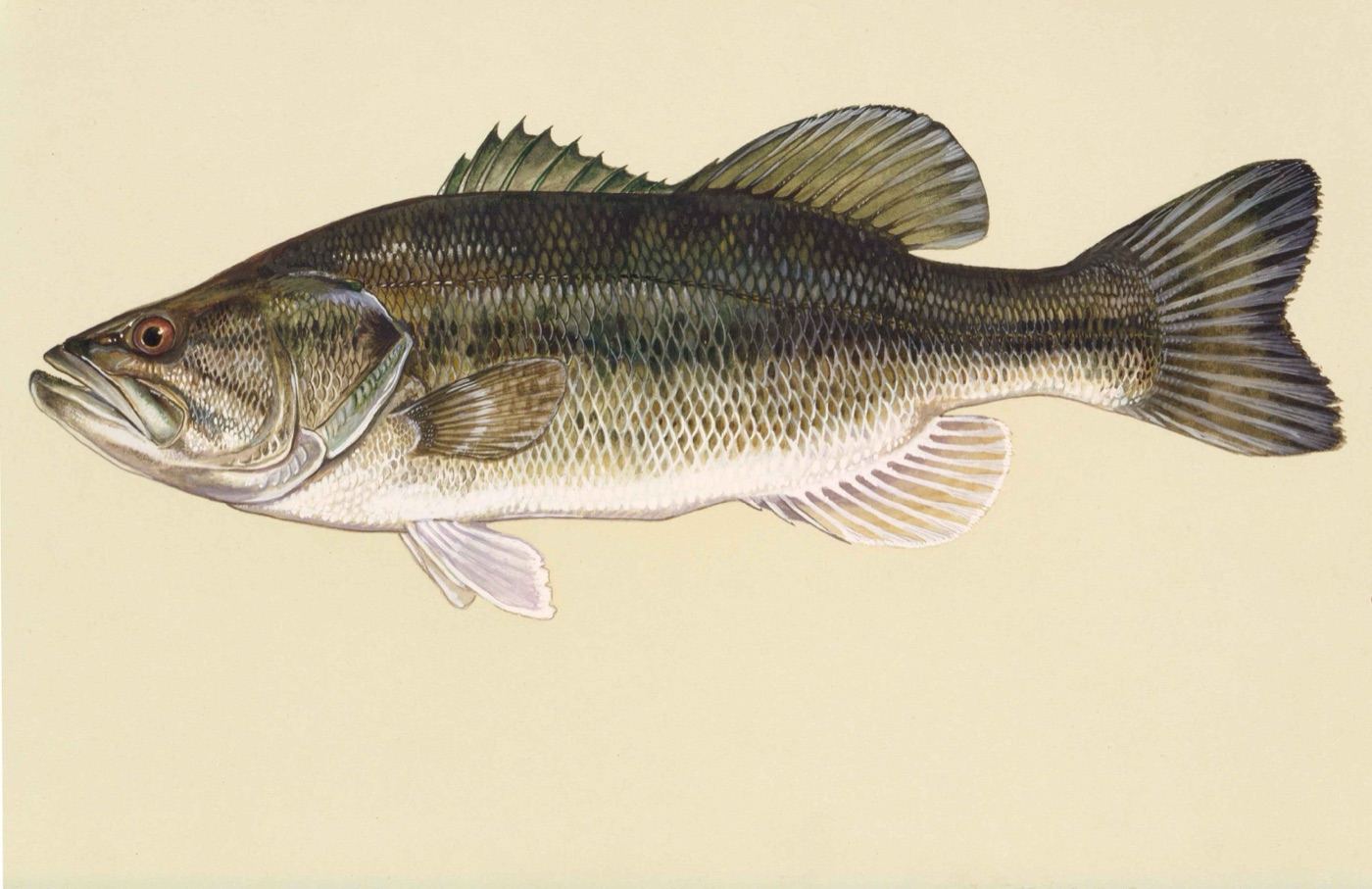
- Largemouth, winter: schooled under shad on the lower lake; jigging spoons, umbrella rigs, or football jigs dragged down tapering points in 20 to 40 feet.
- Walleye: night fishing with stickbaits in about 10 feet through summer; from June to August, TWRA’s method for quality fish is trolling nightcrawler rigs in 15 to 30 feet along large creek channels and flats. In fall, jigging spoons on river breaks in 30 feet.
- Trout: June is best — downriggers with spoons in 30 to 50 feet near the dam, or at night under floating lights in the deep lower lake.
The spring walleye run goes the other way, up the East Fork of the Obey in late February and March, where TWRA lists a single-hook rule in early spring. Smallmouth carry a protected slot here — TWRA’s page sets it out — so expect to release many of the fish you catch. Our largemouth vs smallmouth guide covers telling them apart.
Caney Fork — Blue Hole at Rock Island
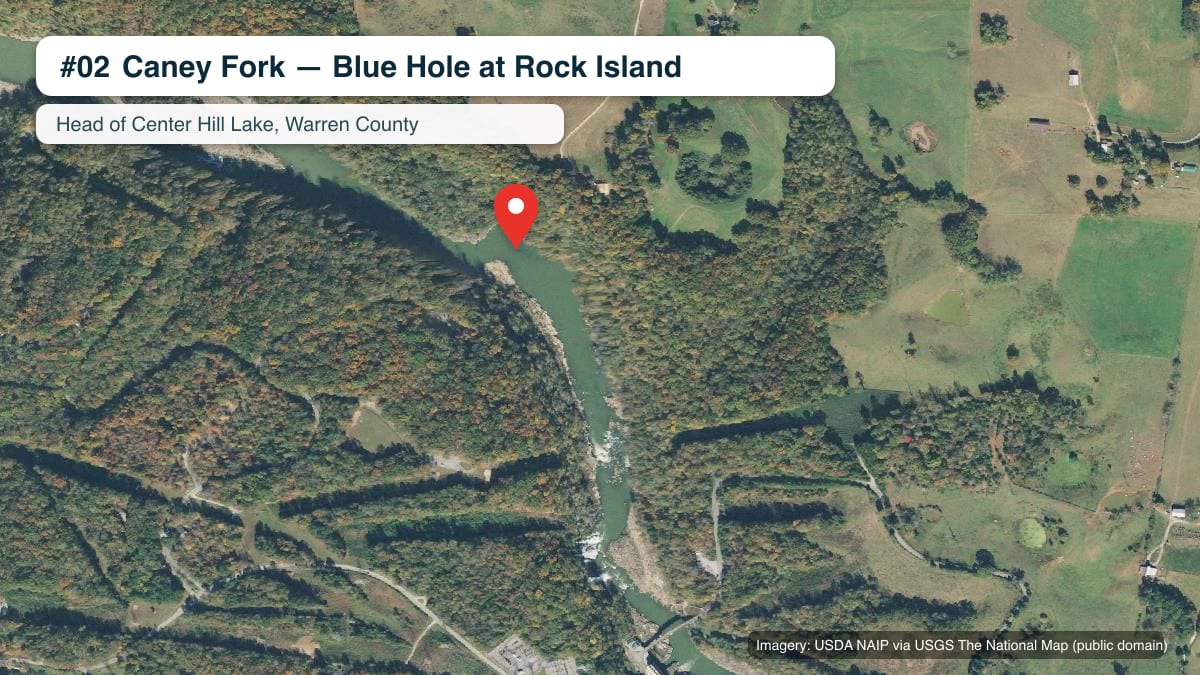
Why it is on the list. Center Hill is an 18,220-acre Corps of Engineers reservoir of steep ridges and rocky shoreline that TWRA compares to Dale Hollow for smallmouth habitat. Its walleye fishing is supported by annual TWRA stockings, and recent creel surveys put the average harvested walleye at 2.75 pounds.
Why this exact spot. TWRA names it: “a major spawning run by walleye takes place in mid-March on the upper end of the reservoir in the Blue Hole area of the Caney Fork River near Rock Island State Park.” The pin is on that pool, in the gorge below Great Falls Dam.
Target fish (TWRA). Walleye · smallmouth bass · spotted bass · black crappie · bluegill · the occasional muskie.
Techniques by species.
- Walleye, March: jigs and minnows in the Blue Hole as fish run up the Caney Fork, at water temperatures of 45 to 50 °F. After the spawn they drop back to deeper, cooler water — troll points, humps and ledges with jig-and-minnow combinations or deep-running crankbaits.
- Walleye, summer and fall: troll nightcrawlers or jig spoons in 20 to 30 feet; in fall and winter, downrig stickbaits from mid-lake to the dam.
- Smallmouth: before and during the spring spawn, points in 5 to 15 feet with jerkbaits, crankbaits and slow-rolled spinnerbaits. Summer is a night fishery. In winter, TWRA names the float-and-fly and tail spinners on the main lake in 15 to 25 feet.
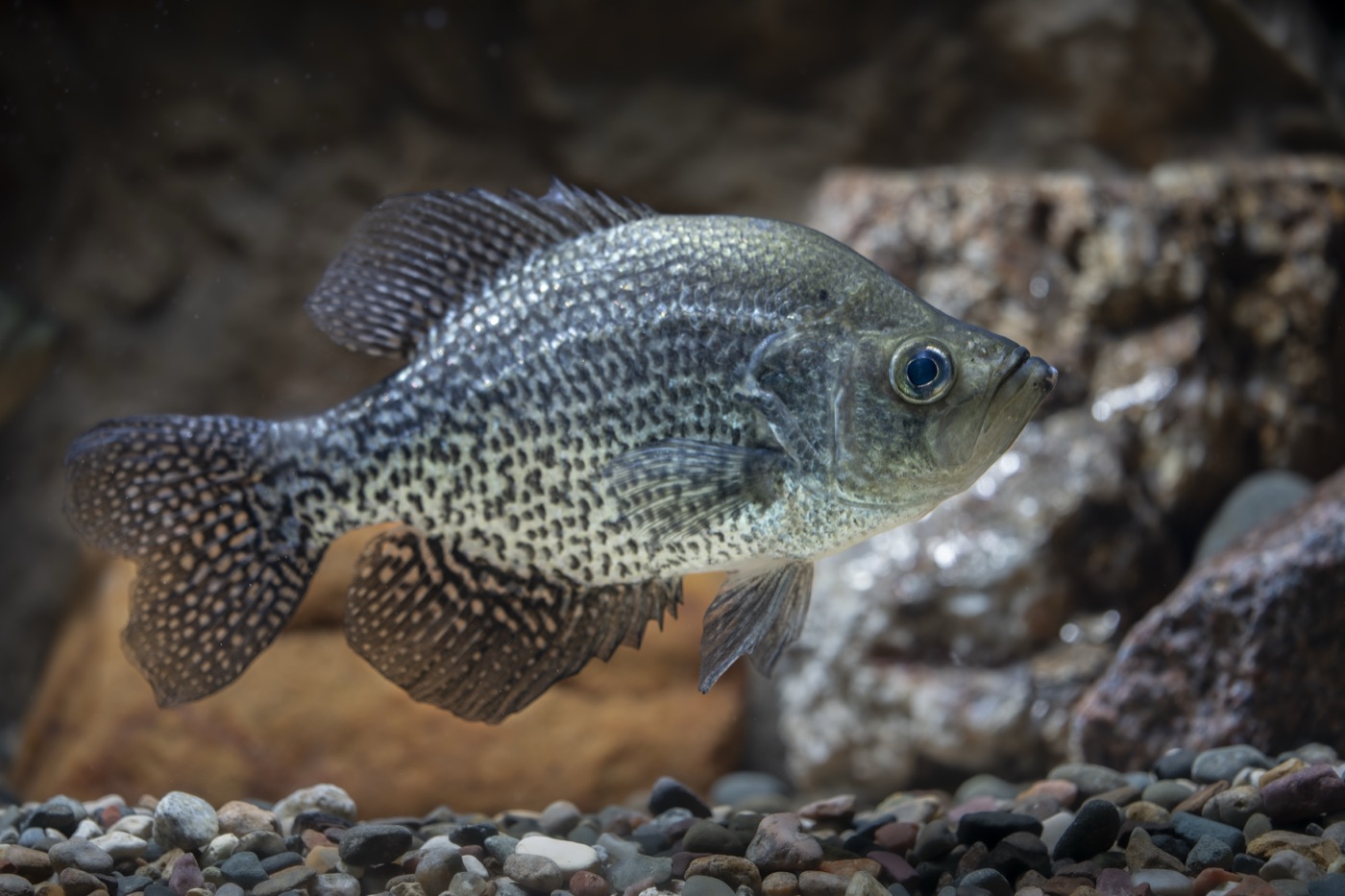
- Crappie: fallen trees in 10 to 15 feet in March and April; in summer, minnows and jigs under a submerged light at night.
- Muskie: a few each year, most from this same upper section near Rock Island, often by walleye anglers in February and March.
TWRA lists a single-hook restriction from the Rock Island State Park boat ramp up to Great Falls Dam from January through April — rig for it. Rock Island State Park’s own safety guidance puts the Blue Hole just upstream of the park’s Sandbar launch ramp, reachable by boat for much of the year, and it is blunt about the gorge: TVA’s Great Falls Dam and powerhouse release water on an irregular schedule, sometimes without warning, and swimming or wading is not allowed anywhere below the powerhouse — including the Blue Hole — because of hidden currents. If you hear sirens or see the water rise or muddy, get to high ground. Ramp availability has also been affected by work at Center Hill Dam; the park office has the current status. See our walleye fishing guide for more on the jig-and-minnow approach.
Kentucky Lake — Pickwick Dam tailwater
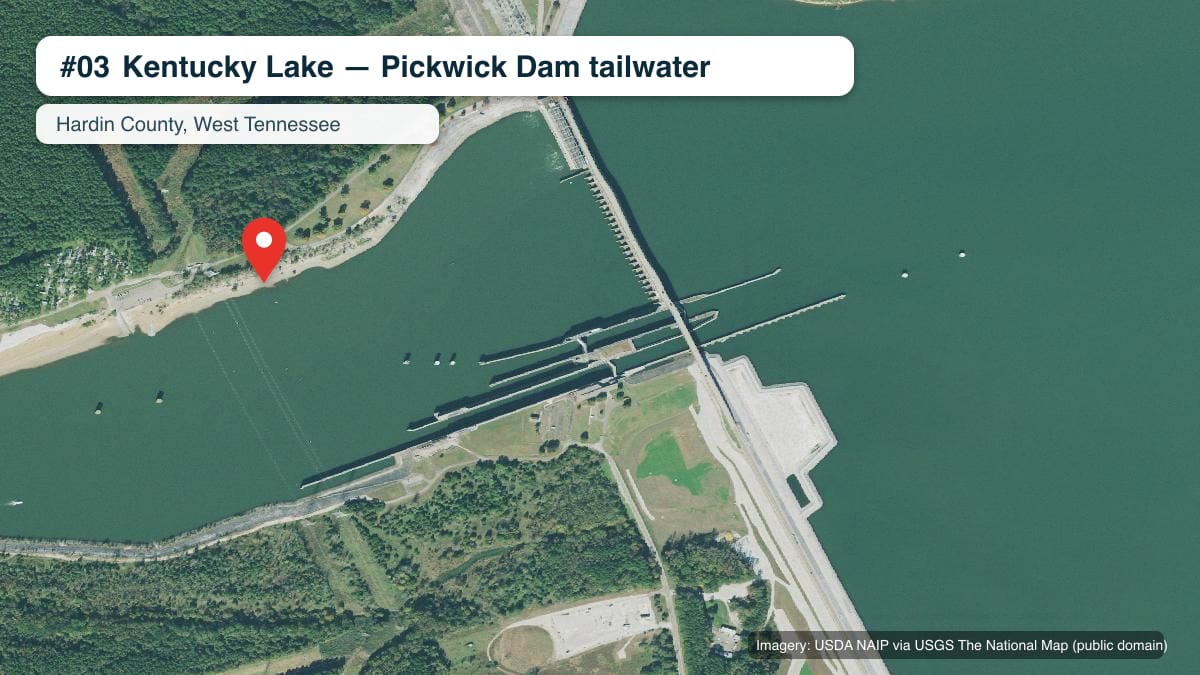
Why it is on the list. Kentucky Lake is a TVA mainstream reservoir of more than 108,000 acres on the Tennessee side alone, with largemouth bass, crappie, sunfish, three species of catfish, sauger and white bass. TWRA notes the average harvested largemouth has topped 2.3 pounds over the last decade.
Why this exact spot. For sauger, TWRA is direct: December to March is prime time, and the most popular areas are “the downstream side of TVA dams like Pickwick Dam.” Kentucky Lake begins in that tailwater. The pin is on the bank just below the dam, where the lock walls reach into the river.
Target fish (TWRA). Sauger · blue, channel and flathead catfish · largemouth bass · crappie · bluegill and redear sunfish.
Techniques by species.
- Sauger, December to March: the stinger jig. TWRA describes a jig of about 1¼ ounces with a three- to four-inch “stinger” line tied to the eye and a small treble hook on the end. Let it settle, then work it up about a foot and down. White or chartreuse curly-tail grubs, or a red head with a blue-and-black skirt. At low flows, the main channel near the Duck River also produces.
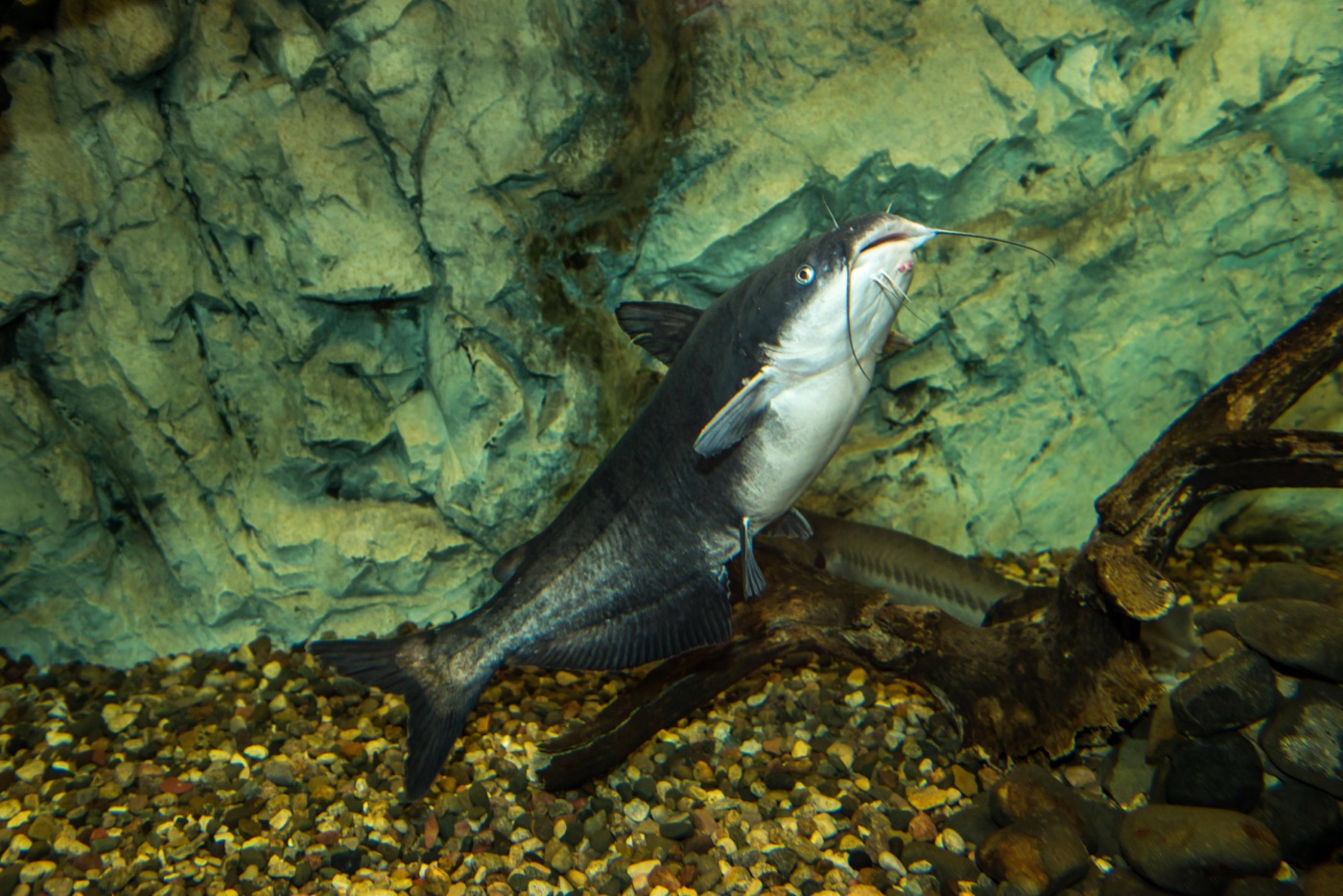
- Catfish: blue catfish are the most harvested. Fish the main channel when the river is moving, 15 to 60 feet deep depending on temperature; TWRA says the bite is better at slow-to-medium flow than at high flow. Chicken liver, cut shad or skipjack, nightcrawlers and shiners.
- Bass: ledges near the overbank and inside embayments, rock banks and channel drops — deep-diving crankbaits in shad colours, umbrella rigs, half-ounce jigs, and Carolina-rigged worms or lizards after the spawn.
- Crappie: TWRA’s shallow and deep fish attractors, marked with PVC pipe and buoys, mapped on its fish attractor page. Vertical jigging with a minnow, spider rigging and trolling.
Current is strong when TVA is generating; watch the water, not just your line. Our river levels page explains why flow decides the tailwater bite, and our catfish fishing guide covers the rigs.
Cherokee Lake — below John Sevier Dam
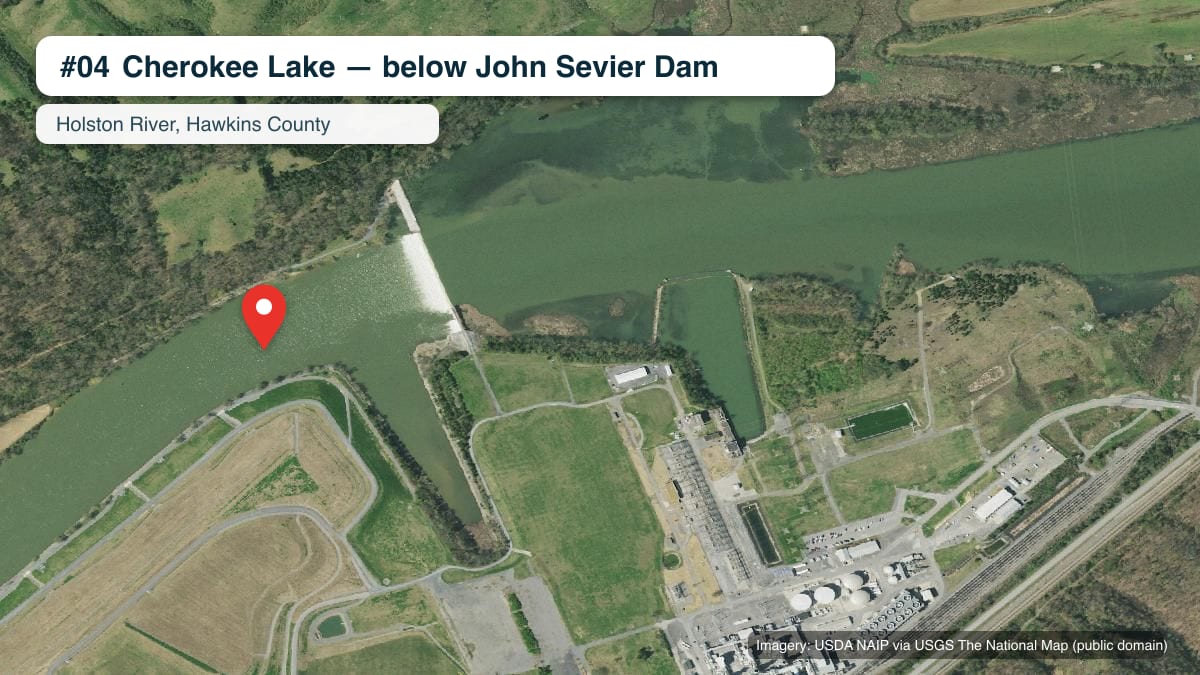
Why it is on the list. Cherokee is a fertile 30,300-acre TVA reservoir where, TWRA says, fish densities are greater than in many other Tennessee reservoirs. It carries stocked striped bass — averaging about 10 pounds in TWRA netting — plus Cherokee bass (a striper–white bass hybrid), saugeye, walleye and plenty of black bass.
Why this exact spot. TWRA points upstream for both of the headline fisheries. Stripers move “upstream to the John Sevier Steam Plant” in late fall and early spring, and the best walleye, sauger and saugeye season is “January through May when all three species concentrate upstream near the John Sevier Steam Plant.” The pin is on the Holston below John Sevier Dam, beside the plant.
Target fish (TWRA). Striped bass · Cherokee (hybrid) bass · saugeye and walleye · largemouth and smallmouth bass · crappie.
Techniques by species.
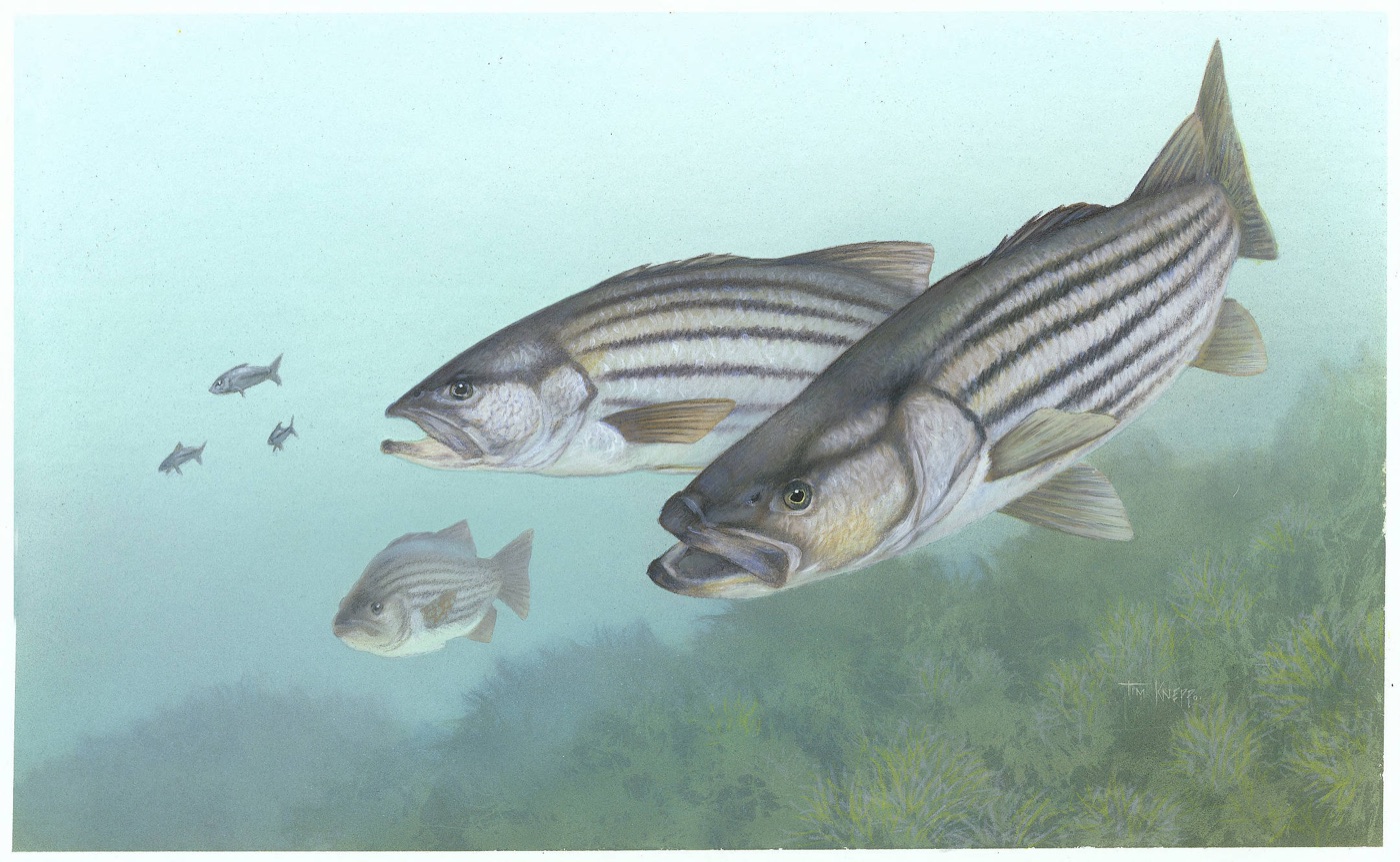
- Stripers: live shad or large shiners on a single hook and sinker with line heavier than 15-pound test. Artificial options TWRA lists include one-ounce white hair jigs with a six-inch plastic trailer, swimbaits on a one-ounce head, topwater walking baits and jigging spoons.
- Saugeye and walleye: larger flies tipped with minnows, inline spinners, plastic grubs and hair jigs, January through May.
- Largemouth: the biggest catches come in March and April as bass move shallow to spawn — Carolina-rigged lizards, Texas-rigged worms, crankbaits, lipless crankbaits and spinnerbaits.
- Smallmouth: clay and gravel points in spring; crayfish-coloured crankbaits and bottom-bounced baits.
TVA controls access around the John Sevier plant, and bank access there has been limited in recent years — check before you plan a shore trip, or fish it by boat. Lakewide, TWRA notes that winter drawdowns of up to 40 feet expose a drawdown zone that is easy for the public to reach and offers outstanding bank fishing. In summer the lower lake from Macedonia Hollow to Cherokee Dam is where the stripers go, because low oxygen in deep water pushes them into a cool refuge. TWRA closes a zone near Cherokee Dam to boat fishing in midsummer to protect them — the boundaries are on its page. Our dissolved oxygen explainer covers why that happens.
Reelfoot Lake — Lower Blue Basin
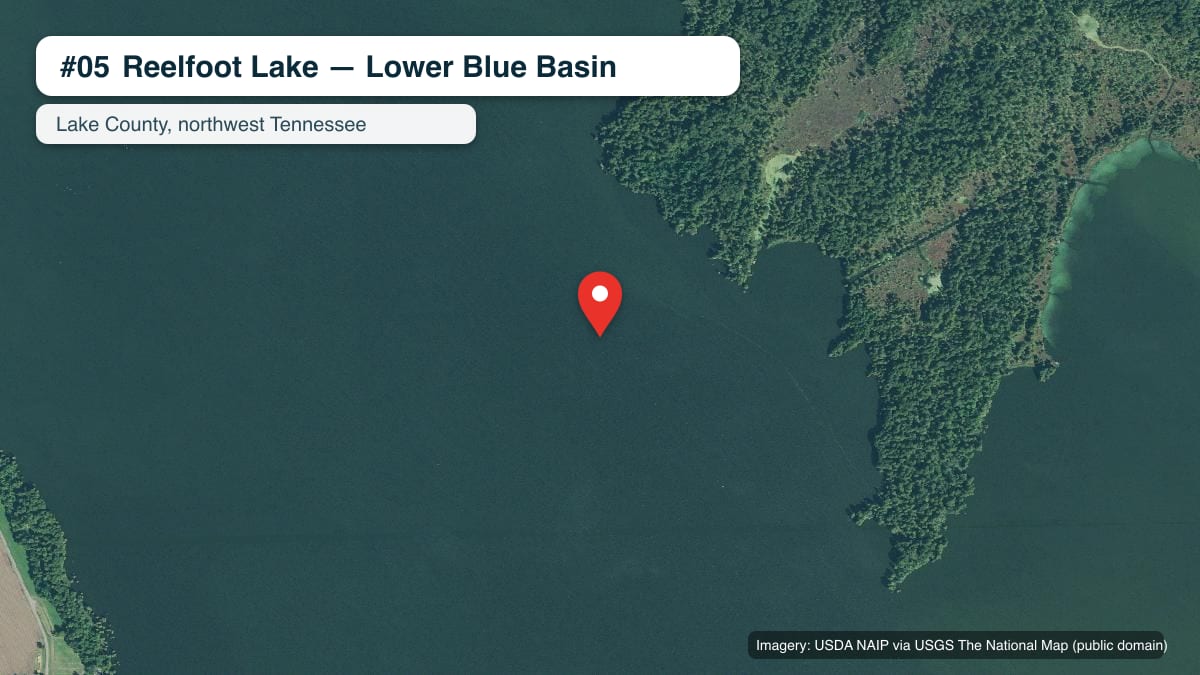
Why it is on the list. Reelfoot is Tennessee’s largest natural lake, 10,427 acres formed by the earthquakes of 1811–1812, and TWRA ranks its bluegill and crappie fisheries among the best in the state. White crappie are the most harvested fish, averaging over three-quarters of a pound.
Why this exact spot. “The majority of crappie are harvested in the Lower Blue Basin, which also receives the most fishing pressure,” TWRA writes, and it names Green Island and Caney Island as popular winter areas there. The pin is on the open water of the basin, west of Green Island.
Target fish (TWRA). White and black crappie · bluegill · largemouth bass · channel catfish · yellow bass.
Techniques by season.
- Crappie, winter: the Reelfoot Lake rig, trolled slowly a few feet off the bottom in deeper water around Green Island and Caney Island — a three-way swivel, a sinker of three-eighths to half an ounce 14 to 16 inches below it, and a minnow on a hook about a foot under the weight.
- Crappie, spring: fish move shallower toward the shoreline. TWRA names Swan Basin and Grooms Pocket for trolling open water in 4 to 6 feet, and Moultrie Field’s submerged logs for single-pole or spider rigging around April and May full moons. On windy days, the ditches between basins are shelter — small jigs tipped with a wax worm.
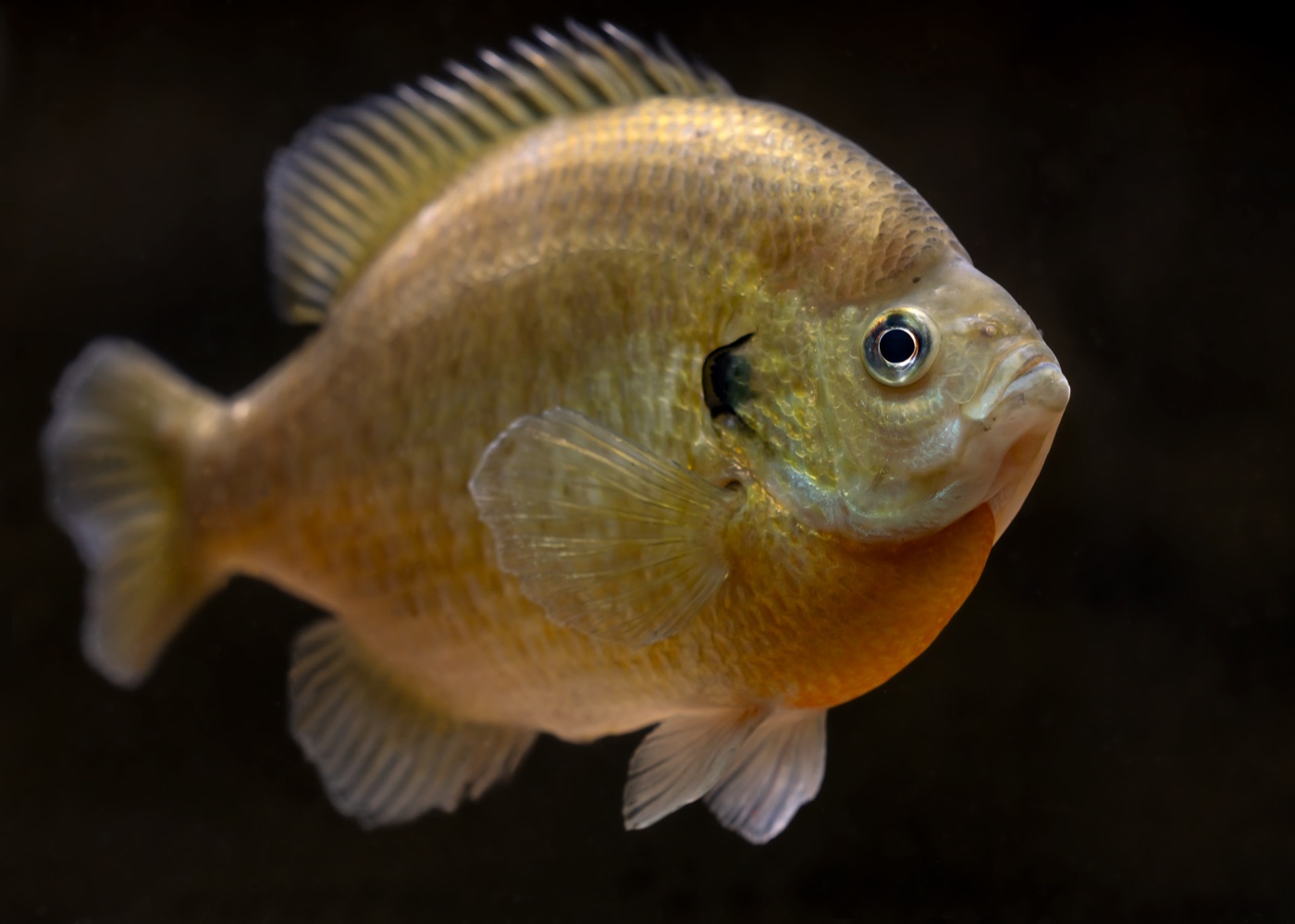
- Bluegill: full moons in May, June and July. Crickets under a slip float one to three feet deep, 3 to 10 feet off the bank, or tiny jigs tipped with wax worms, around cypress bases and old lily-pad stems. Don’t crowd the beds.
- Largemouth: patience in the middle basins — spinnerbaits, jerkbaits, and heavy jigs worked slowly through stumps, logs and old lily-pad stems.
About 68% of Reelfoot is three feet deep or less, with stump fields that can foul a lower unit, and spring wind can make open water dangerous. TWRA has set some shorelines as trolling-motor-only to protect bluegill beds. A Reelfoot Preservation Permit is required for lake users unless exempt, and the U.S. Fish and Wildlife Service closes its Grassy and Long Point units in winter — the closures are signed. Our slip float rig and crappie fishing guides cover the rigs.
Before you go
Licences and permits. TWRA requires a fishing licence from age 13, and trout need an all-species licence or a trout supplemental. Add the Reelfoot Preservation Permit there. TWRA’s licence pages set out who needs what; our licences and regulations guide explains where to look.
Rules that change your tackle. A single-hook rule on the Caney Fork below Great Falls Dam in late winter and spring, another on the East Fork of the Obey above Dale Hollow, and protected-length rules on Dale Hollow smallmouth. All three are on TWRA’s lake pages.
Pick the day. Three of these spots are moving water below dams, where flow matters as much as weather. Our best time to fish and barometric pressure pages cover the rest.
What it cannot do
- This page is built from TWRA's lake pages. Some of those pages are several years old — Center Hill's, for example, still describes the end of a multi-year dam-repair drawdown — so treat survey-based statements as background, not this season's forecast.
- Creel and length rules on these lakes are TWRA's and differ lake by lake, sometimes stretch by stretch. They are mentioned only where they decide how you fish; read the current Tennessee fishing guide before keeping fish.
- Norris, Chickamauga, Percy Priest and Tennessee's trout tailwaters are not here. That reflects our test — an agency-named public pinpoint we could map precisely — not a ranking.
- Two of these pins sit below dams that release water for power generation. Flows and water levels can change quickly and without warning.
Frequently asked questions
What is the best fishing lake in Tennessee?
It depends on the fish. For smallmouth bass, Dale Hollow: it still holds the world-record smallmouth, caught in 1955, and TWRA's creel surveys show anglers there catching smallmouth that average around 3 pounds. For crappie and bluegill, Reelfoot Lake, whose fisheries for both TWRA ranks among the best in the state. For winter sauger, the tailwaters of TVA dams on the Tennessee River, Pickwick above all.
Where is the world-record smallmouth bass lake?
Dale Hollow, on the Tennessee–Kentucky line near Celina. TWRA's lake page records the state and world-record smallmouth bass, 11 lb 15 oz, caught there in 1955. TWRA protects mid-size smallmouth there with a protected length range, so expect to release many of the fish you catch. The rocky banks and gravel points of the lower lake, near the dam, are where much of that fishing happens.
When is the walleye run on Center Hill Lake?
Mid-March. TWRA describes a major spawning run on the upper end of the lake, in the Blue Hole area of the Caney Fork River near Rock Island State Park, when water reaches 45 to 50 °F. Its suggestion for that stretch is jigs and minnows. TWRA also lists a single-hook restriction on that part of the Caney Fork in late winter and spring — check the current guide before you rig.
How do you fish for sauger below Pickwick Dam?
TWRA describes the classic setup: a heavy jig — many anglers use around 1¼ ounces — with a short 'stinger' line of three to four inches tied to the jig's eye and tipped with a small treble hook. Let it settle to the bottom, then lift it about a foot and let it fall. Colours TWRA mentions are a white or chartreuse curly-tail grub, or a red jig head with a blue-and-black skirt. December to March is prime time.
Do I need a special permit to fish Reelfoot Lake?
Usually, yes. TWRA says a Reelfoot Preservation Permit is required for lake users, with exemptions for people under 16, residents 65 and older, and lifetime or sportsman licence holders. You still need a Tennessee fishing licence. Parts of the lake are managed by the U.S. Fish and Wildlife Service and close seasonally in winter; the closed areas are signed.
What is the Reelfoot Lake rig?
A local crappie rig TWRA describes on its Reelfoot page: a three-way swivel with two leaders, a sinker of three-eighths to half an ounce tied 14 to 16 inches below the swivel, and a hook baited with a minnow about 12 inches below the weight. In winter anglers troll it slowly through deeper water in the Lower Blue Basin, around Green Island and Caney Island.
Sources
- Dale Hollow Reservoir — Fishing Opportunities, Maps and Locations — Tennessee Wildlife Resources Agency. Accessed October 5, 2026.
- Center Hill Reservoir — Fishing Opportunities, Maps and Locations — Tennessee Wildlife Resources Agency. Accessed October 5, 2026.
- Kentucky Reservoir — Tennessee Wildlife Resources Agency. Accessed October 5, 2026.
- Cherokee Reservoir — Bank and Boat Fishing Opportunities — Tennessee Wildlife Resources Agency. Accessed October 5, 2026.
- Reelfoot Lake — Tennessee Wildlife Resources Agency. Accessed October 5, 2026.
- Licence sales and requirements — Tennessee Wildlife Resources Agency. Accessed October 5, 2026.
How we choose sources: sources policy.
More in this series
- Best Fishing Spots in Texas: Five Famous Lakes and the Exact Place to Fish on Each
- Best Fishing Spots in Washington: Five Waters and the Exact Place to Fish on Each
- Best Fishing Spots in Wisconsin: Five Great Lakes Spots and When the Fish Run
- Best Fishing Spots in Arkansas: Five Waters and the Exact Place to Fish on Each
Open the spot, then pick the day.
Fishing Club AI maps public fishing spots and turns live weather, pressure and moon data into a bite forecast for each one — so you know which of these to drive to this morning.
Get the App