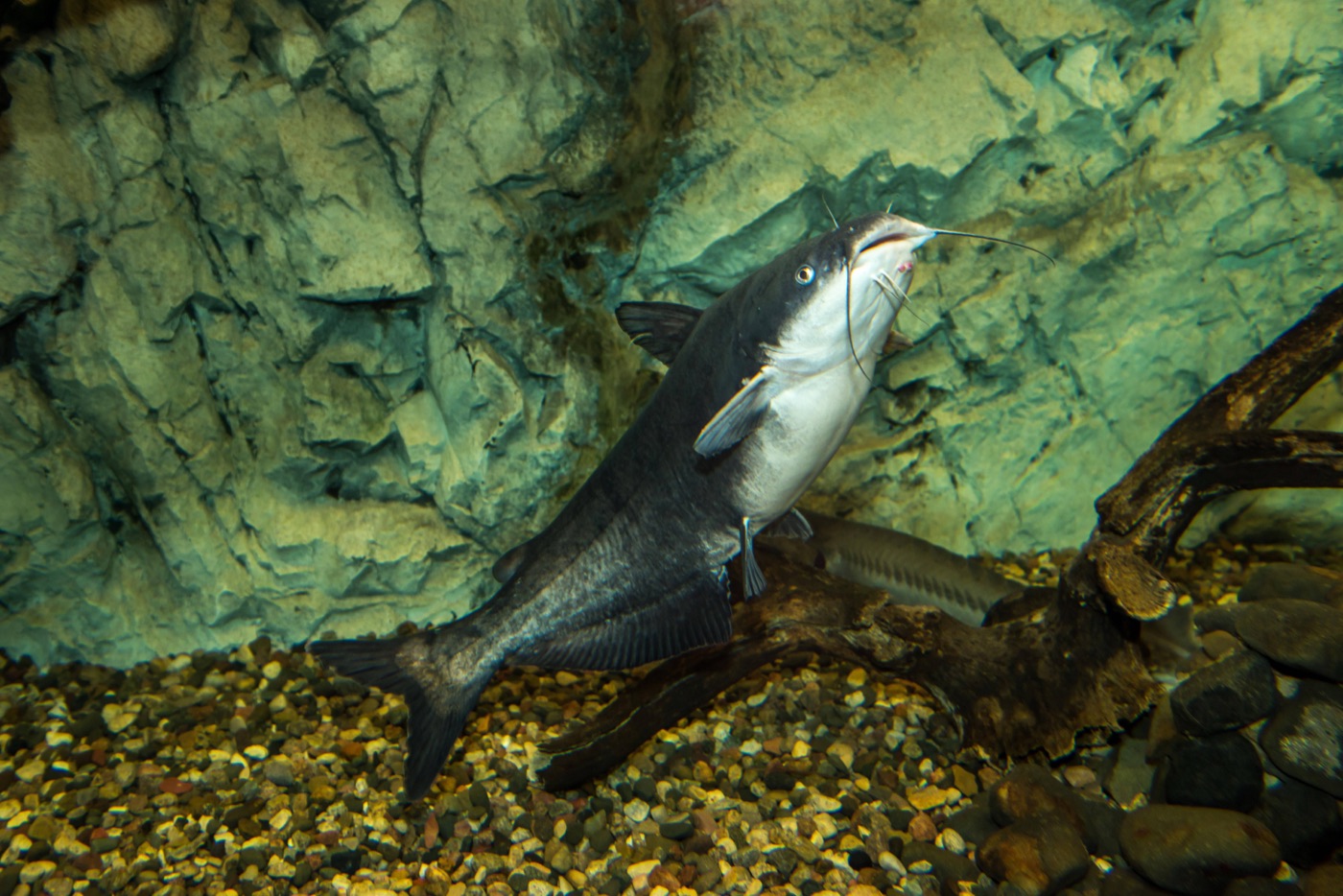
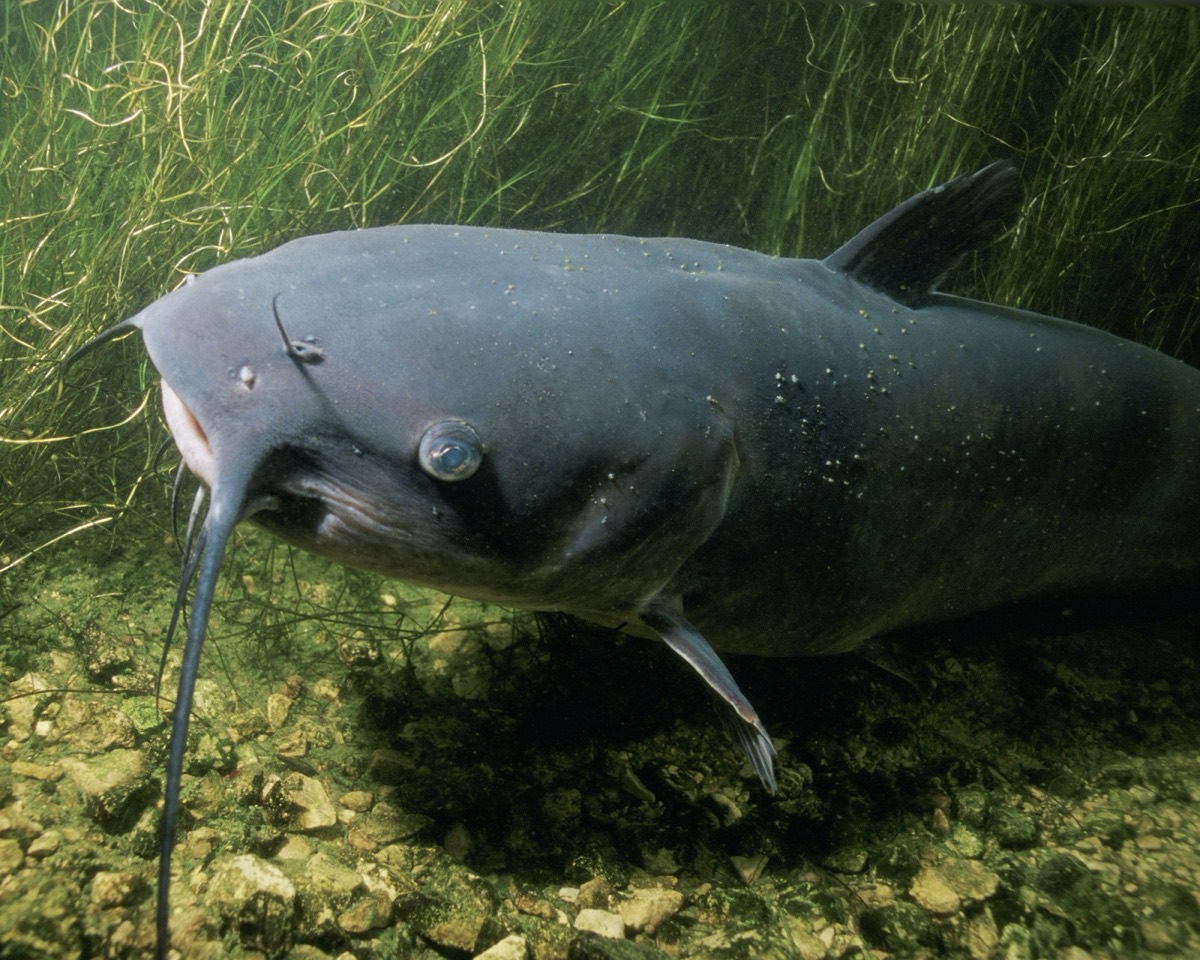
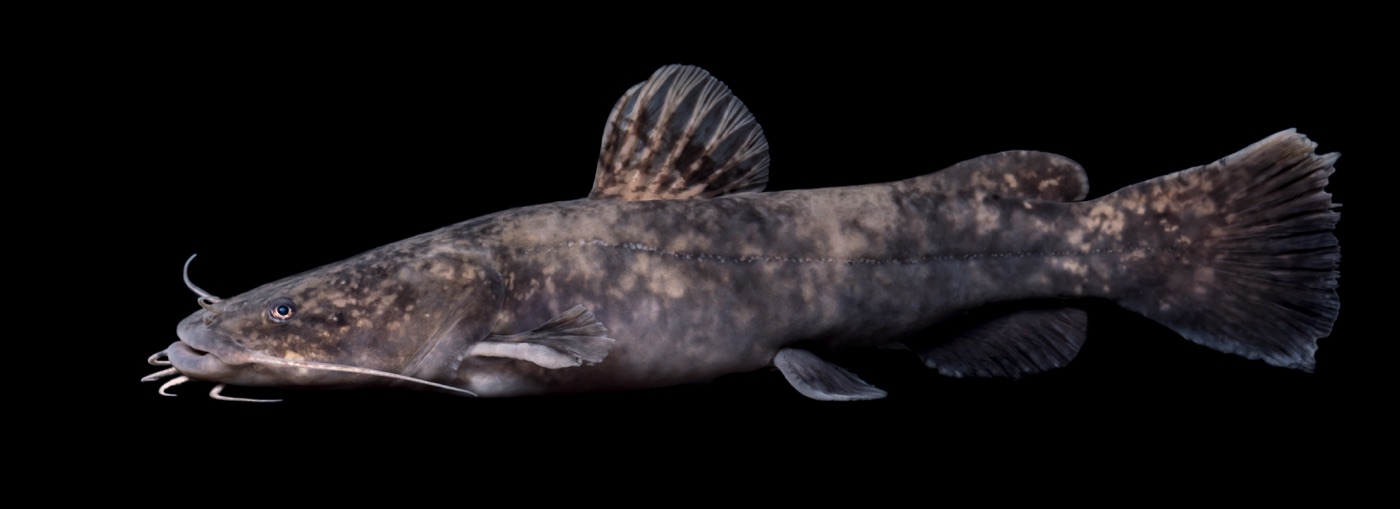
Catfish Fishing: The Bottom, the Bait and the Hole
Wisconsin's DNR puts the core of it in one line: the trick to catching catfish is to fish the bottom. By day they hide in a river's deepest holes, and their nocturnal habits bring them out where anglers can reach them. Species then splits the bait — flatheads want big live fish, channel catfish take almost anything. Set the hook only once the line starts moving.
Key takeaways
- Wisconsin's DNR states the trick to catching catfish is to fish the bottom, especially by day when they hide in the deepest holes.
- Flathead bait is live and large — the agency advises forgetting any bait that is not big and alive, using fish of a pound or more for 30 to 40 pound fish.
- Channel catfish eat almost anything: cut fish or meat, worms, entrails, dough baits, frogs, grasshoppers, clams, crayfish tails, and artificial lures.
- Wait for the line to move before setting the hook — that movement is the signal the fish has completely taken the bait.
- Channel catfish fishing is often excellent the first few days after rain, because rainwater washes food into rivers.
Fish the bottom, and fish the hole
Wisconsin’s Department of Natural Resources gives the whole approach in a sentence: the trick to catching catfish is to fish the bottom. The agency adds the qualifier that matters — that this is especially important during the day, when catfish are hiding in a river’s deepest holes.
Their nocturnal habits are the opening. The same source describes those habits as what brings catfish out from their daytime hiding places and gives anglers their best opportunity.
So the day splits in two:
- Daylight — go to the fish. Deep holes, and particularly the ones below dams and power plants. Reaching them usually means fishing from a boat or a bridge.
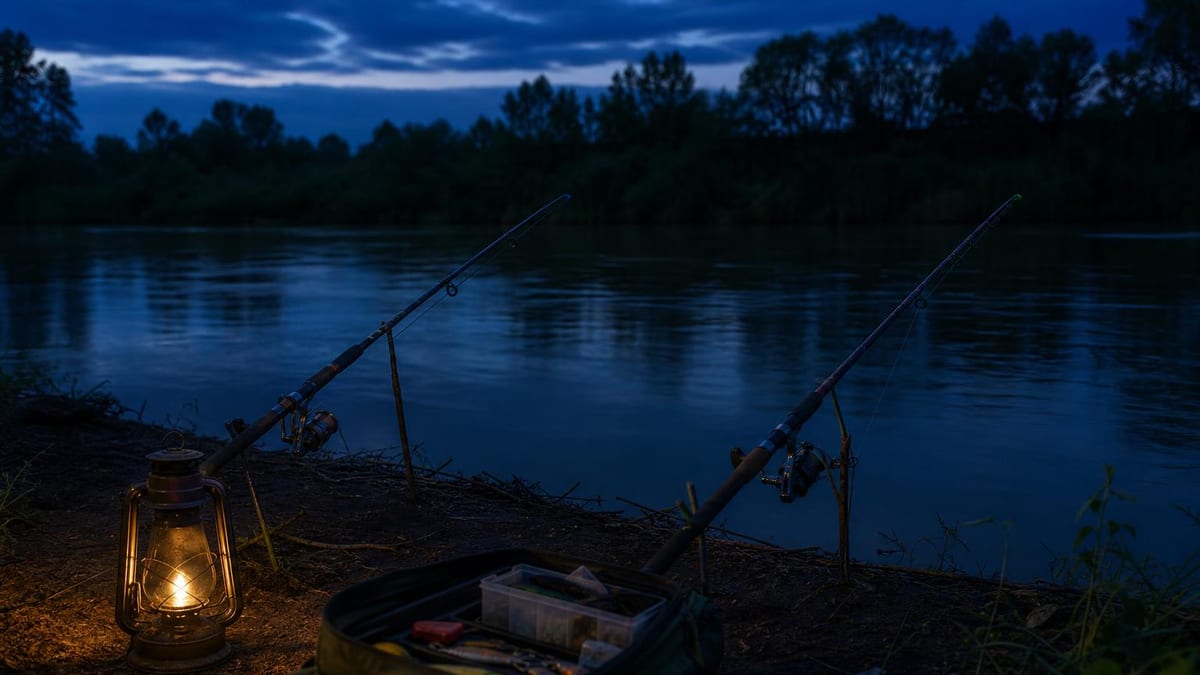
- After dark — let the fish come to you. Riverbanks and backwaters produce, which is why bank fishing for catfish is a night sport almost everywhere it is popular.
A warning attached to the second half: catfish are not fast eaters. Being comfortable is not a luxury on a catfish session, it is a requirement.
The bait divides by species
This is where most general catfish advice goes wrong, because channel catfish and flatheads want opposite things.
| Channel catfish | Flathead catfish | |
|---|---|---|
| Bait | Almost anything — cut fish or meat, worms, night crawlers, entrails, dough balls, soap, frogs, grasshoppers, clams, crayfish tails | Big and alive: suckers, carp, shad, sunfish, bullheads, even channel catfish |
| Artificials | Will strike plugs, spoons, jigs, spinners, plastic worms | Not the approach |
| Scale | Modest baits work | For a 30–40 pound fish, live baits of a pound or more |
| Peak feeding | Excellent in the first days after rain | May to early June, then July to September |
Stink baits belong to the channel-catfish column. Wisconsin’s DNR describes them as odorous concoctions of ingredients such as cheese, meat, animal or fowl blood, oats, flour and anise, either homemade or bought — and popular on the Wisconsin and Mississippi rivers.
The mechanism behind the mess is that these are scent-driven feeders in water that is often coloured. That also explains why the post-rain window works: rain washes food into the river, and the fish are already tuned to find food by smell in moving water. Our page on fishing after rain covers what else changes when a river comes up, and river levels explains how to read the gauge before you drive.
The hookset that most anglers get wrong
The technique Wisconsin’s DNR sets out is deliberately slow. Cast the bait out. Put the rod in a holder, or prop it against a log or a rock. Move away from the bank. Then wait — and specifically, wait until the line starts to move, which indicates the catfish has completely taken the bait, before setting the hook.
The taps you feel before that are the fish working the bait, not eating it. Striking then takes the bait out of its mouth.
Rigging: two arrangements cover most water
Wisconsin’s DNR describes the choice as a function of bait weight and current.
Hook tied straight to the line. A heavy bait sinks to the bottom on its own in slow-moving water. Nothing else needed.
Bottom rig. A sinker at the end of the line, with the hook on a leader tied several inches above it. This is the arrangement for fast current or for light baits that would otherwise wash downstream. It is the same logic as the fish finder rig and the high-low rig, which give you the variations.
Tackle scales with ambition. The agency notes channel catfish provide considerable sport on lightweight spincasting outfits, but that such tackle would be inadequate for a fish the size of Wisconsin’s record 65-pound flathead from the Fox River in 1987, or the 44-pound channel from the Wisconsin River in 1962. The world record flathead, from Kansas in 1998, weighed 123 pounds.
Life cycle, and why timing works
Catfish spawn from May through July, when water temperature reaches about 75°F, and they nest in obscure places: hollow river banks, rock overhangs and ledges, submerged tree roots and hollow logs. Only the male channel catfish builds the nest; with flatheads, both fish may build it.
At optimum temperatures of 75 to 80°F the eggs hatch in six to seven days. Egg counts run from 3,000 to 30,000 depending on the female’s size and age, with large flathead females producing as many as 100,000.
Maturity is a useful marker for what you are catching. Channel catfish mature at about 12 inches; flatheads not until 15 to 19 inches. Channel catfish grow rapidly in their first few years — 3 inches at age one, 9 at three, 14.5 at five, 26.5 at ten — while flatheads keep growing as they age, reaching 38 inches by fifteen and 43 by twenty-four.
Eating them, with one caution
Catfish meat is white and firm, and the skin comes off more easily than it looks: cut around the head and down the belly, grip the skin with pliers and pull it toward the tail.
The caution is real and worth stating. Catfish are oily fish with a high fat content that live on the bottoms of major river systems, which exposes them to pollutants such as PCBs and pesticides accumulating in river sediment. Those toxins accumulate in fat, so large catfish — generally those over 21 inches, in Wisconsin’s framing — may carry higher levels in some waters. State agencies publish fish consumption advisories listing which waters are affected, and that advisory is the document to check before you keep a big one.
Species detail sits on the pages for channel catfish, blue catfish and flathead catfish. What you may keep is set by your state agency and varies by water — see licences and regulations.
Frequently asked questions
What is the best bait for catfish?
It depends on which catfish. Wisconsin's DNR is blunt about flatheads: if your goal is a giant, forget any bait that is not big and alive — suckers, carp, shad, sunfish, bullheads and channel catfish are all used, and for a 30 to 40 pound fish anglers use live fish weighing a pound or more. Channel catfish are the opposite. The agency's list runs to strips of fish or meat, worms and night crawlers, entrails, soap, dough balls, frogs, grasshoppers, clams and crayfish tails, plus scented stink baits and even artificial lures such as plugs, spoons, jigs, spinners and plastic worms.
When should I set the hook on a catfish?
After the line starts to move, not on the first tap. The technique Wisconsin's DNR describes is to cast the bait out, place the rod in a holder or prop it against a log or rock, then move away and wait — and to wait until the line begins moving, which indicates the fish has completely taken the bait, before setting the hook. Setting early on a bottom-feeding fish that mouths its food pulls the bait away from it.
Where do catfish hide during the day?
In deep holes. Wisconsin's DNR describes catfish hiding in a river's deepest holes during daylight, and notes that daytime anglers do have success fishing those holes, especially below dams and power plants — spots that usually require fishing from a boat or a bridge. After dark the fish move out, which is why night anglers do well from riverbanks and in river backwaters.
Does rain improve catfish fishing?
For channel catfish, yes, and there is a mechanism behind it. Wisconsin's DNR notes that channel catfish fishing is often excellent in the first few days after rain because rainwater washes food into rivers. Flatheads follow a different calendar — the same source describes them feeding most actively from May through early June and again from July to September.
How big do catfish actually get?
Species decides it. Wisconsin's DNR puts channel catfish at a maximum of about 30 inches and 15 pounds, with 20 to 25 inch fish more common, and says most in the state do not live much past eight years. Flatheads are a different animal: commercial fishermen have reported Mississippi River flatheads as large as five feet and up to 100 pounds, though fish of 30 to 40 inches weighing 20 to 40 pounds are more common, and they can live 15 to 25 years.
What rig should I use for catfish?
Simple ones. Wisconsin's DNR describes two, chosen by bait and current: a hook tied straight to the line, which lets a heavy bait sink to the bottom in slow-moving water, or a bottom rig with a sinker at the end of the line and the hook on a leader tied several inches above it, which suits fast current or light baits. That second arrangement is the family our fish finder and high-low rig guides belong to.
Sources
- Catfish (PUBL-FM-709), Wisconsin fish species guide — Wisconsin Department of Natural Resources, Bureau of Fisheries Management. Accessed August 21, 2026.
- Catfish — Missouri Department of Conservation. Accessed August 21, 2026.
- Channel catfish — Texas Parks and Wildlife Department. Accessed August 21, 2026.
- Provisional Data Statement, Water Data for the Nation — US Geological Survey. Accessed August 21, 2026.
- Fishing in Virginia — Virginia Department of Wildlife Resources. Accessed August 21, 2026.
How we choose sources: sources policy.
More in this series
Know when it's worth going.
Fishing Club AI turns live weather, pressure and moon data into a simple bite forecast for your spot — so the skills you practise get used on the right day.
Get the App