The High-Low Rig: Two Hooks, One Bottom Rig
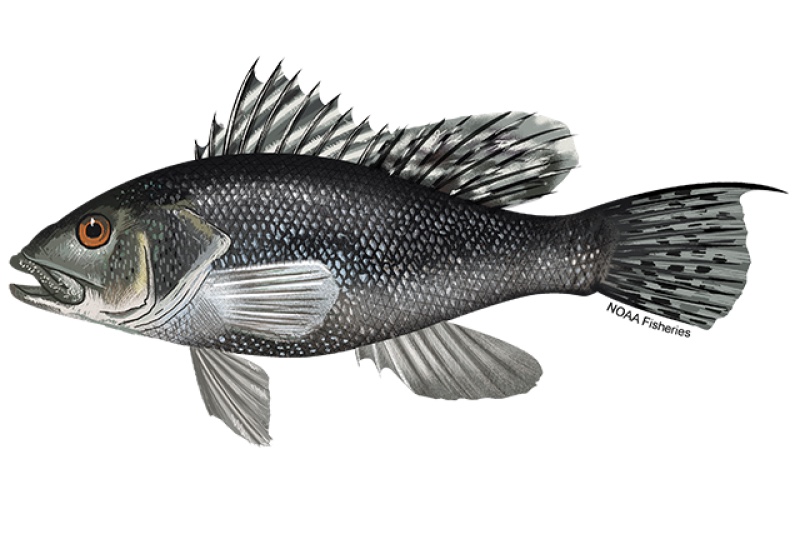
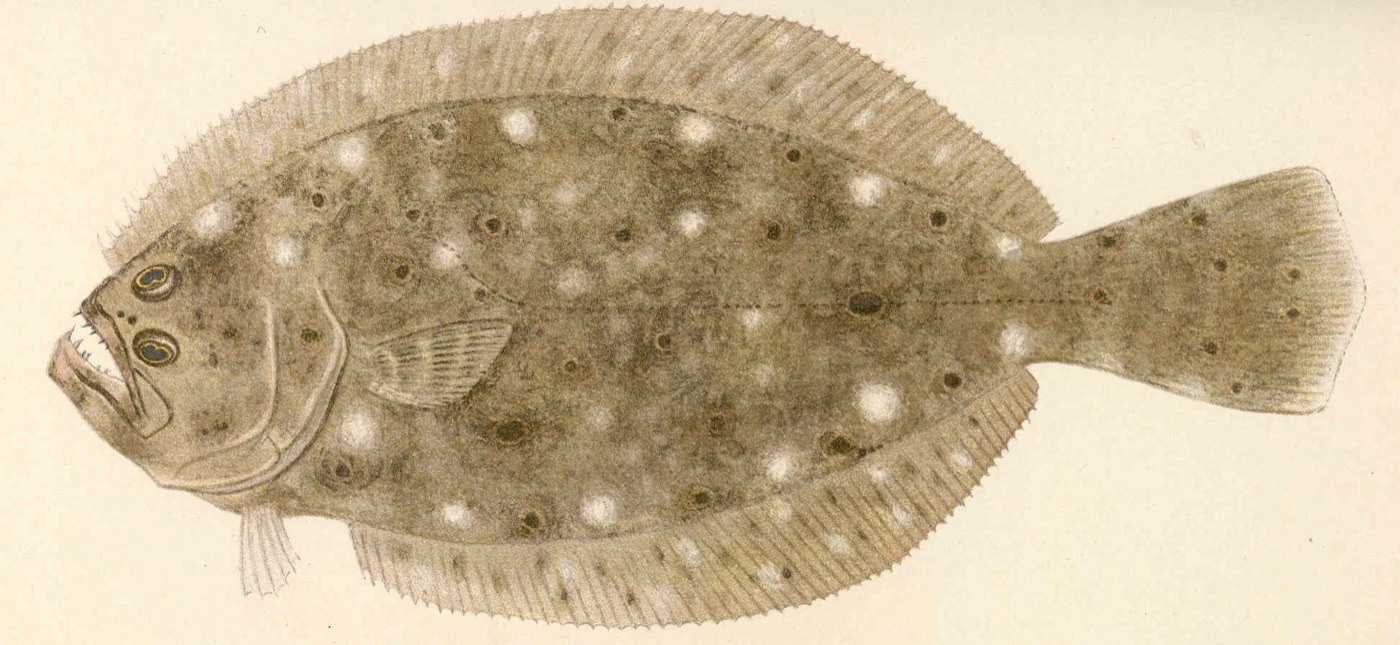
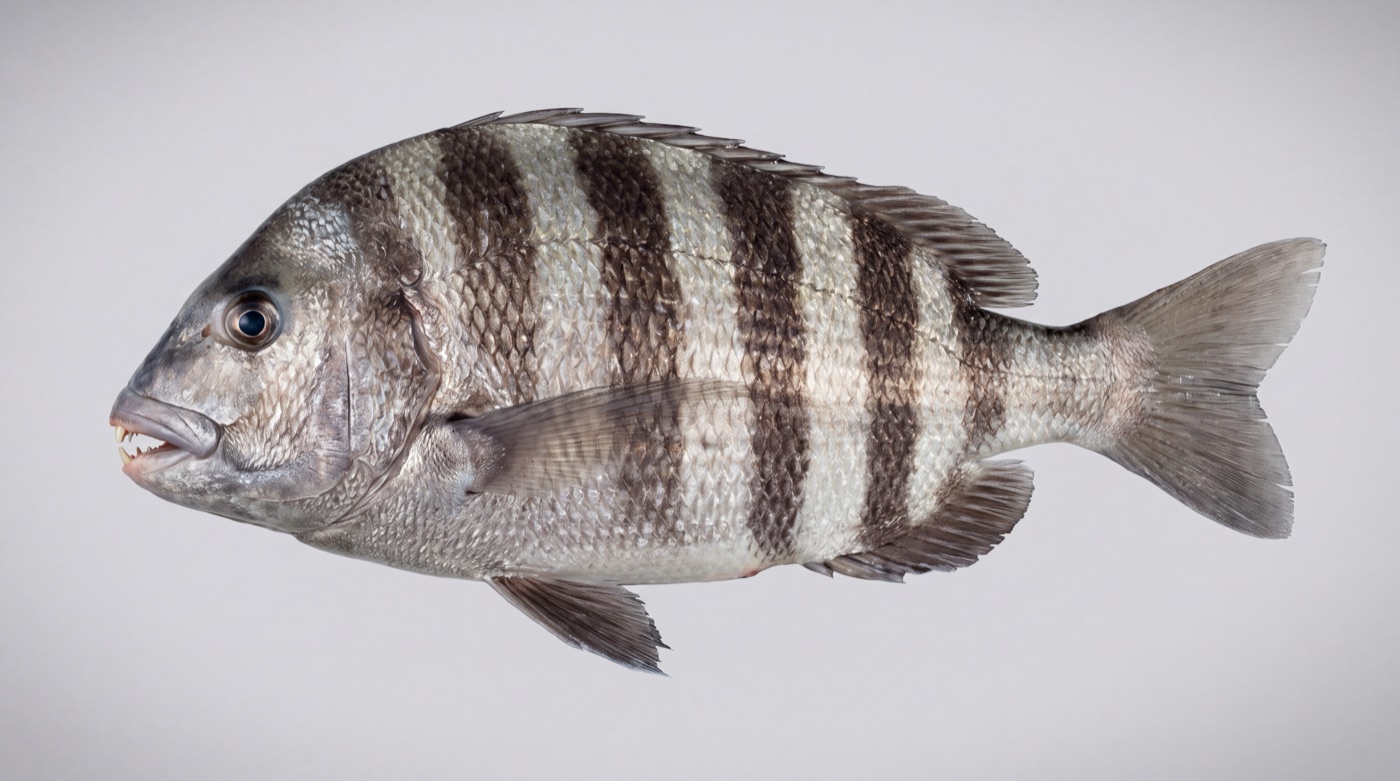
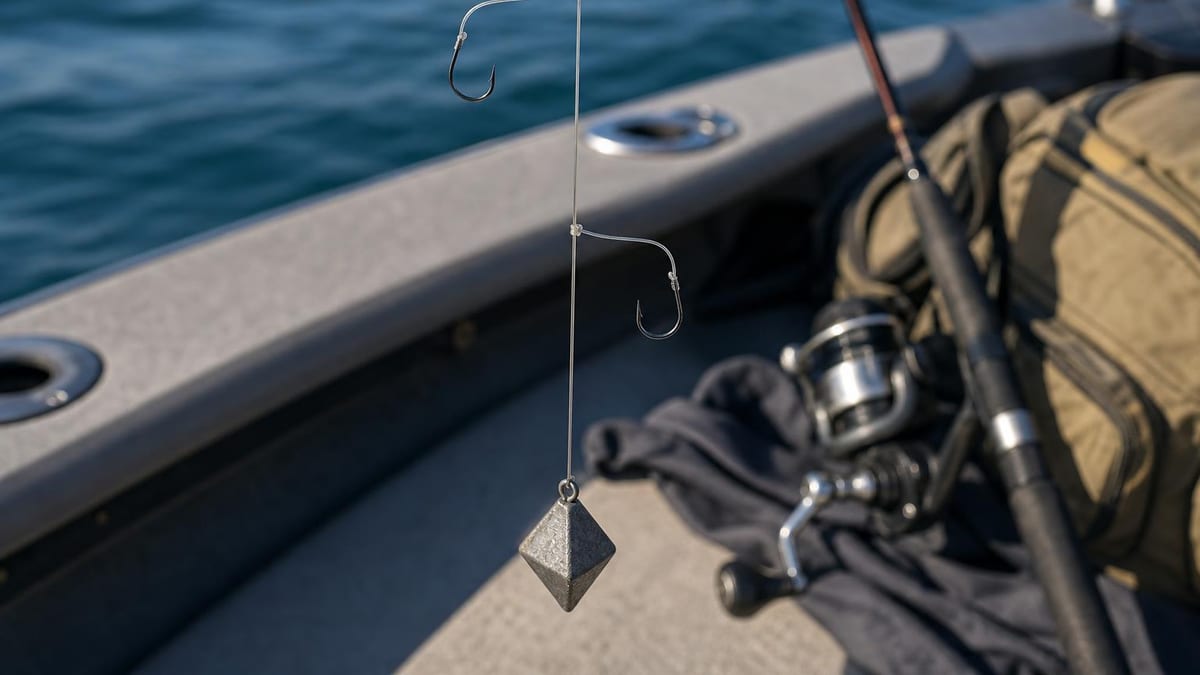
The high-low rig hangs two hooks on dropper loops above a sinker, so two baits fish the bottom at once at slightly different heights. Tie a weight to the end of a leader, add two dropper loops spaced apart, finish with a swivel at the top, and hang a hook on each loop. It is the standard bottom rig for fluke, porgy, sea bass and blackfish.
Key takeaways
- Two baits in the game at once — Take Me Fishing's stated benefit of the hi-lo over single-hook rigs.
- Build it from the bottom up: sinker at the end, two dropper loops above it, barrel swivel at the top.
- The dropper loop is the knot that makes it possible — New York's DEC calls it common for fluke, porgy and blackfish rigs.
- The trade-off is movement: the weight and loops are fixed, so baits move less freely than on a sliding-sinker rig.
- Keep the loops short enough that the two hooks cannot reach each other and tangle.
- Hook limits are state law and vary wildly — Missouri allows up to 33 hooks at once, Maine's inland waters restrict you to a single baited hook. Check your own regulations.
Two baits, one drop
Most bottom rigs ask a single bait to answer a single question: is anything feeding down there? The high-low rig asks it twice. Two hooks hang from loops tied into the leader above the sinker — one higher, one lower — so a single drop presents two baits at two heights, and often two different baits entirely.
Take Me Fishing puts both sides of the deal in one sentence: the benefit of the hi-lo is that “you have double the bait ‘in the game,’” and the downside is that the weight and lines are fixed, which restricts the movement of the bait more than other rigs do. That is the honest trade. Where a fish finder rig lets a fish swim off with the bait feeling nothing, the high-low keeps everything on a short, fixed leash — and in exchange doubles your sampling rate on unfamiliar bottom.
Building it from the bottom up
The rig assembles in one direction: sinker first, then upward.
- Sinker at the end of the leader — the anchor that holds everything down.
- Two dropper loops tied into the leader above it, spaced apart.
- Barrel swivel at the top, where your main line ties on.
- A hook on each loop — pass the loop through the hook eye and over the hook, or clip on a pre-snelled hook.
Take Me Fishing’s small-fish build is more prescriptive: start with an arm’s length of 30- to 50-pound monofilament, tie your dropper loops, attach the sinker to the bottom loop, a hook to each of the two middle loops, and the reel line to the top loop. One caution from the same source matters more than any measurement: keep the leaders short enough that the hooks don’t become tangled. Two hooks that can reach each other will find each other on the drop, every time.
On spacing, resist the urge to memorize a number. Published figures from the same publisher range from a few inches on panfish rigs to a foot or more on beach rigs — because spacing follows hook size, bait size and how far apart you want your two presentations. Start with hooks that can’t touch, and adjust from there.
The knot that makes it work
The high-low is really a knot with a rig built around it. The dropper loop is what turns a plain leader into a rig with branches: New York’s DEC teaches it as a knot “used to make a loop in the middle of your line to attach a hook or another rig,” and notes that the in-line dropper loop is often used to create multi-hook lines where a sinker is needed — common, in their words, when fishing in saltwater for fluke, porgy and blackfish.
That is exactly this rig. Our dropper loop guide walks the tie step by step, including the detail most tiers get wrong — seating the knot by pulling both line ends apart so the loop stands perpendicular instead of flopping against the line. A dropper loop that lies flat is a hook that tangles.
Finish the rig with a uni knot or improved clinch at the swivel; the knots library has the rest.
What it catches, and where
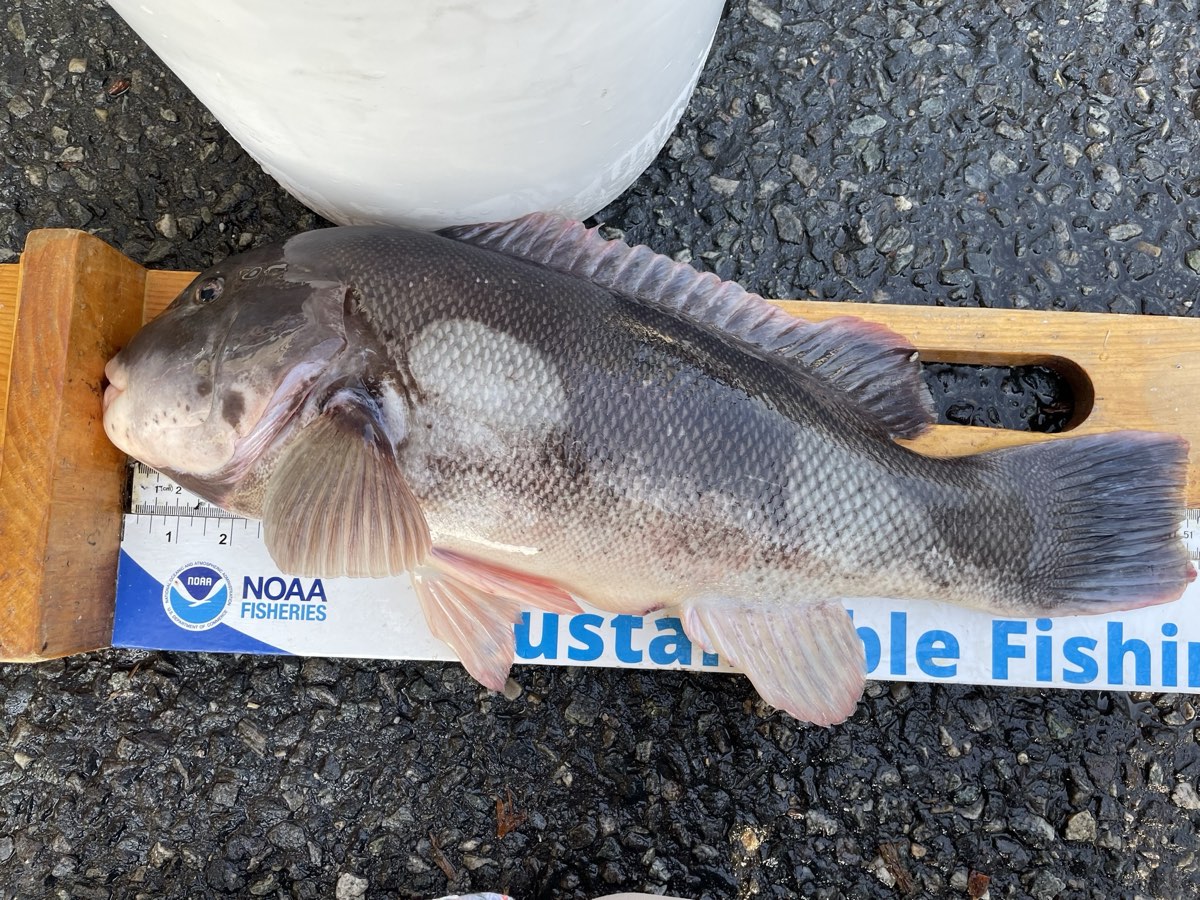
Bottom feeders are the whole constituency. New York’s DEC states plainly that anglers use baited bottom rigs to catch fluke, and that because tautog are bottom feeders, anglers use bottom rigs baited with crabs or clams for them. New York Sea Grant’s summer flounder profile adds the philosophy behind the rig: “the key to successful fluke fishing is simplicity — use light to medium tackle and rigging,” with hooks tied about ten inches from the sinker in their described setup.
Texas Parks and Wildlife describes the same architecture for very different water: a conventional bottom rig with a sinker and one or more drops with single hooks is standard for shoreline fishing and fishing from an anchored boat. And Take Me Fishing rates the two-hook bottom rig the most versatile of all saltwater rigs — usable, in their words, on everything from panfish to giant grouper. Party boats over sea bass wrecks, piers over sandy bottom, jetty walls, and a sinker-and-worm rig in a farm pond: the same rig, scaled.
New York’s beginner saltwater guide pairs it with a hook recommendation worth taking: they recommend circle hooks, “which are designed to keep the fish from swallowing the hook” — which means the circle-hook technique applies here as it does on every bait rig.
Before you tie two hooks: check your rules
Multi-hook rigs are exactly where fishing regulations get specific, and there is no national answer. Missouri’s Department of Conservation states that regardless of method or number of poles, you may not use more than a total of 33 hooks at one time — except on the Mississippi River, where the maximum is 50. Maine’s inland fishing law reads the opposite way: it is unlawful to fish other than with a single baited hook and line, artificial flies, or artificial lures and spinners.
Two agencies, two completely different limits. Neither is “the rule” anywhere but its own waters, and Missouri’s own page carries the standing caveat that regulations are subject to revision during the year. Before you build a two-hook rig, read your state agency’s current regulations for the water you’re fishing — the same discipline our licensing guide applies to every other rule in fishing. Then pick your baits, keep the loops short, and let the bottom answer two questions at once. Every other option is on the rigs page.
Frequently asked questions
What is a high-low rig?
A bottom rig with two hooks stacked above the weight — one 'high,' one 'low.' It is also called the double dropper loop rig, because each hook hangs from a loop tied into the leader. Take Me Fishing describes the payoff and the price in one breath: the benefit is having double the bait in the game, and the downside is that the weight and lines are fixed, which restricts bait movement more than other rigs do.
How do I tie a high-low rig?
From the bottom up. Secure a weight to the end of your leader, tie two dropper loops into the leader spaced apart, then finish with a barrel swivel at the top for your main line, and attach a hook to each loop. Take Me Fishing's small-fish version is more specific: an arm's length of 30- to 50-pound monofilament with dropper loops, the sinker on the bottom loop, a hook on each middle loop and the reel line at the top. Spacing is not a fixed number — published figures range from a few inches to a foot or more — so match it to your hook size and target.
What is a dropper loop and why does this rig need one?
It's a loop tied into the middle of a line, standing out from it, that a hook can hang from. New York's DEC teaches it as exactly that — a knot 'used to make a loop in the middle of your line to attach a hook or another rig' — and notes the in-line dropper loop is often used to build multi-hook lines where a sinker is needed, common in saltwater for fluke, porgy and blackfish. Our step-by-step dropper loop guide covers the tie itself.
What fish is the high-low rig good for?
Bottom feeders, in fresh and salt water. New York's DEC notes anglers use baited bottom rigs for fluke and, because tautog are bottom feeders, bottom rigs baited with crabs or clams for blackfish. Texas Parks and Wildlife describes a conventional bottom rig with a sinker and one or more hook drops as standard for shoreline and anchored-boat fishing — its black drum guidance. Take Me Fishing rates the two-hook bottom rig the most versatile of all saltwater rigs, good for everything from panfish to grouper.
Is it legal to fish two hooks on one line?
That is set by your state, and the variation is dramatic. Missouri's Department of Conservation permits a total of 33 hooks at any one time (50 on the Mississippi River) regardless of method or number of poles, while Maine's inland fishing law states it is unlawful to fish other than with a single baited hook and line, artificial flies, or artificial lures and spinners. Two states, opposite answers. Check your own agency's current regulations before you build a multi-hook rig — and remember that regulations are revised during the year.
Sources
- 3 Must-Know Beach Fishing Rigs for Beginners — Take Me Fishing (Recreational Boating & Fishing Foundation). Accessed August 16, 2026.
- Saltwater Fishing Rigs — Take Me Fishing (Recreational Boating & Fishing Foundation). Accessed August 16, 2026.
- Knot Tying Lesson Plan, I FISH NY Program — New York State Department of Environmental Conservation. Accessed August 16, 2026.
- Getting Started Fishing in NYC (saltwater) — New York State Department of Environmental Conservation. Accessed August 16, 2026.
- Nearshore Saltwater Sportfish of New York — New York State Department of Environmental Conservation. Accessed August 16, 2026.
- Summer Flounder fish profile — New York Sea Grant Extension Program. Accessed August 16, 2026.
- Black Drum in Texas — Texas Parks & Wildlife Department. Accessed August 16, 2026.
- Fishing Regulations — Missouri Department of Conservation. Accessed August 16, 2026.
- General Fishing Laws and Definitions — Maine Department of Inland Fisheries and Wildlife. Accessed August 16, 2026.
How we choose sources: sources policy.
More in this series
Know when it's worth going.
Fishing Club AI turns live weather, pressure and moon data into a simple bite forecast for your spot — so the skills you practise get used on the right day.
Get the App