The Slip Float Rig: Bobber Fishing at Any Depth
A slip float rig lets a bobber slide freely on the line until it hits a bobber stop you set at any depth. That means you can fish 15 feet down and still reel the float to the rod tip to cast. Build it as stop, bead, float, weight, then hook — and use the smallest float that will carry your bait.
Key takeaways
- The float slides; the stop sets the depth. Missouri's conservation agency calls slip bobbers 'a must' because they let you fish at any depth.
- Order on the line: bobber stop → bead → sliding float → weight → hook (or leader to hook).
- Washington's fish and wildlife agency: a bobber stop can be reeled through the rod guides, which is what makes deep presentations castable.
- Use the smallest float that floats your bait — if it's too large, fish feel the resistance and drop the bait.
- Balance the float with split shot until it nearly sinks; the less resistance, the more bites you convert.
- Depth beats everything: agencies repeatedly advise setting the bait within about a foot of the bottom when fish are down there.
The bobber that solved the bobber’s problem
The clip-on bobber is the first rig most anglers ever fish, and it has one hard limit: the distance between float and hook is fixed, so it is also the deepest you can fish — and anything deeper than a rod length becomes impossible to cast. Set a fixed bobber eight feet above the hook and you are trying to swing a hook that hangs eight feet below the rod tip.
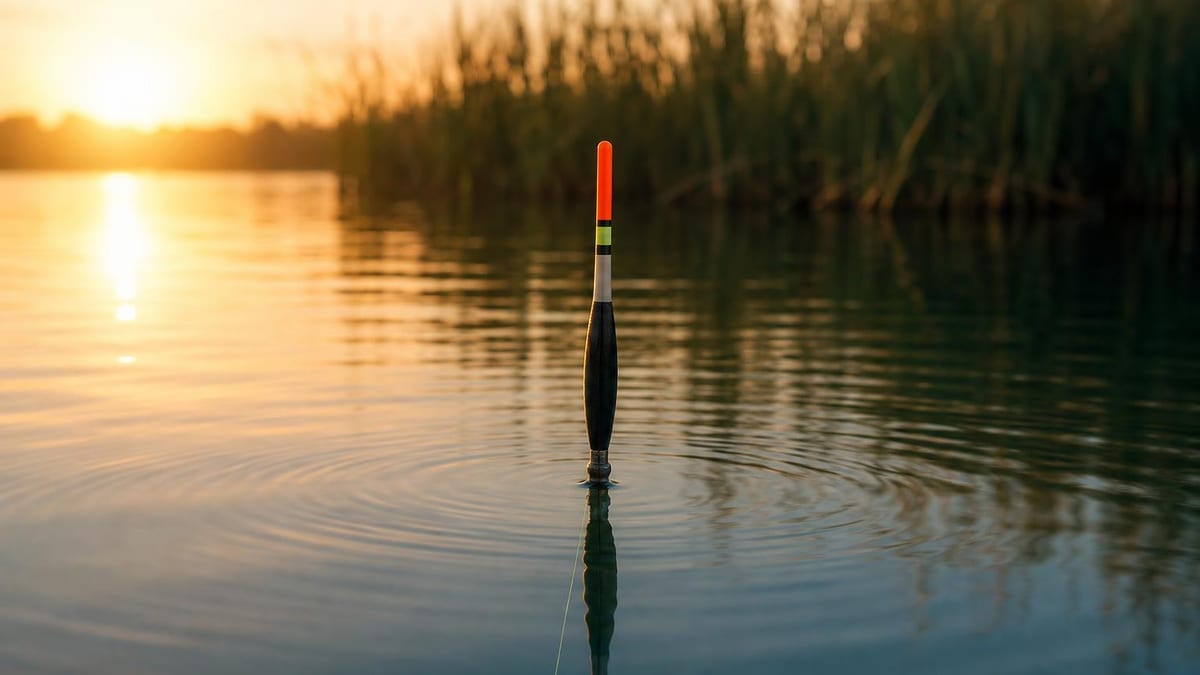
The slip float removes that ceiling entirely. It is built around a hollow tube: the line passes straight through the float, so the float slides freely along the line until it meets a small bobber stop you can position anywhere. Take Me Fishing describes the practical magic — the float slides down to the stop on the drop, but you can reel it almost to the rod tip for the cast, “even though you are fishing 10, 15 or 20 feet deep.”
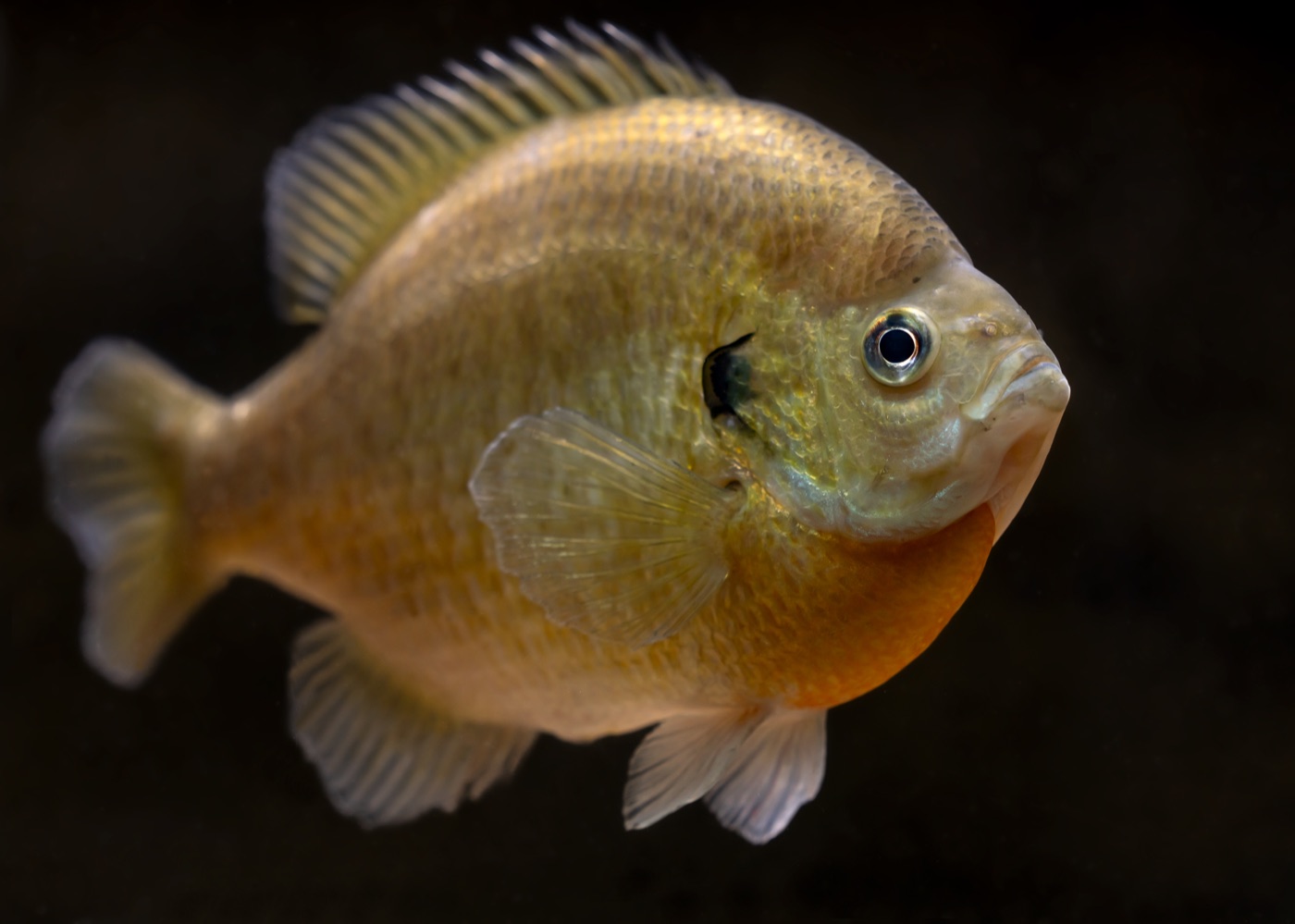
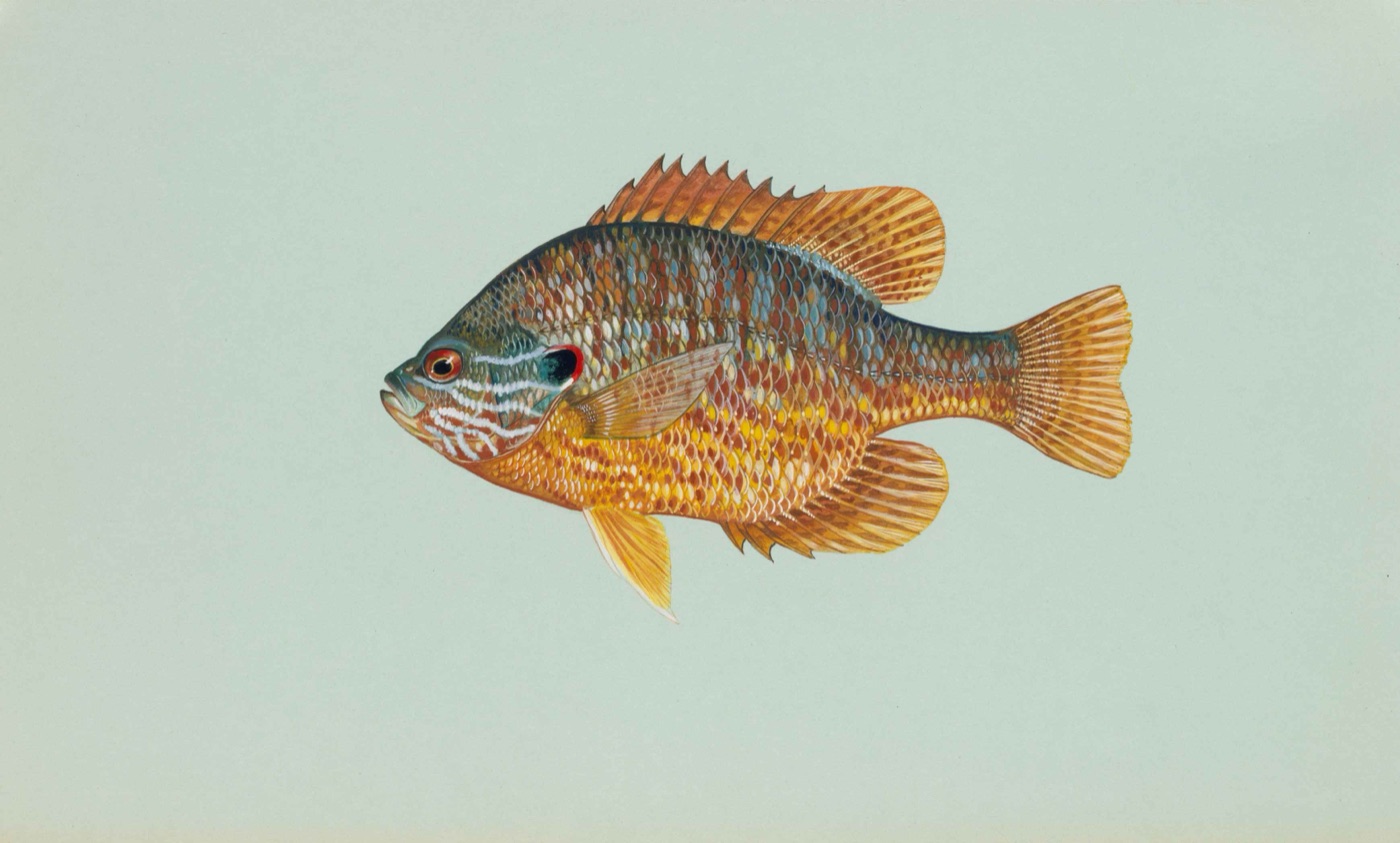
Missouri’s Department of Conservation puts the value in one sentence: slip bobbers “are a must for the serious bluegill angler because they allow you to fish at any depth.”
The build, in order
Everything threads onto the main line in a fixed sequence:
- Bobber stop — a small knot or bead that sets your depth. Washington’s Department of Fish and Wildlife notes you can buy them pre-tied or tie your own from 15–30 lb Dacron using a uni knot.
- Small bead — sits between stop and float so the tiny stop knot can’t pull through the float’s tube.
- Sliding float — the line runs through it.
- Weight — enough to pull line through the float and cock it upright. Washington’s build lists a sliding float, a swivel, weight, and a 12–24 inch leader for their salmon float fishing.
- Hook — tied direct or on the leader below the swivel.
The property that makes the whole thing work is small and easy to miss: Washington’s agency notes the bobber stop “can be reeled through the rod guides if necessary for easier casting.” A stop that jams in the guides defeats the rig; a proper one slides through and lets you cast a 15-foot presentation like a 3-foot one.
Texas Parks and Wildlife’s beginner guide gives the general job description of any float: bobbers, floats and corks keep your bait where the fish are biting, keep bait off the bottom, and tell you when you’re getting a bite — and they note that while most bobbers clip on, some “allow the line to slip entirely through for slip-cork fishing.” That’s this rig.
The small-float rule everybody breaks
If there is one universally repeated instruction in agency float guidance, it is this: use the smallest float that will carry your bait.
Missouri’s Department of Conservation states the consequence bluntly — use a small bobber, just big enough to float your bait, because “if your bobber is too large, the bluegill will feel the resistance and spit out the bait.” Illinois’ DNR explains the same physics from the angler’s side: the harder it is to pull the bobber under, the harder it will be to detect a bite and to hook a fish. Their fix is a balancing act worth practising: squeeze small split shot onto the line about 6–12 inches above the hook until the bobber nearly sinks from the weight, so there is very little resistance when a fish takes.
A float sitting high and proud on the surface looks right in a photograph and fishes badly. A float that rides low, barely afloat, is a float that goes under at the first honest bite.
Setting the depth — the only dial that matters
Once the rig is balanced, almost all of your fishing is deciding where the stop goes. The agencies converge on the same starting logic: find the bottom, then come up.
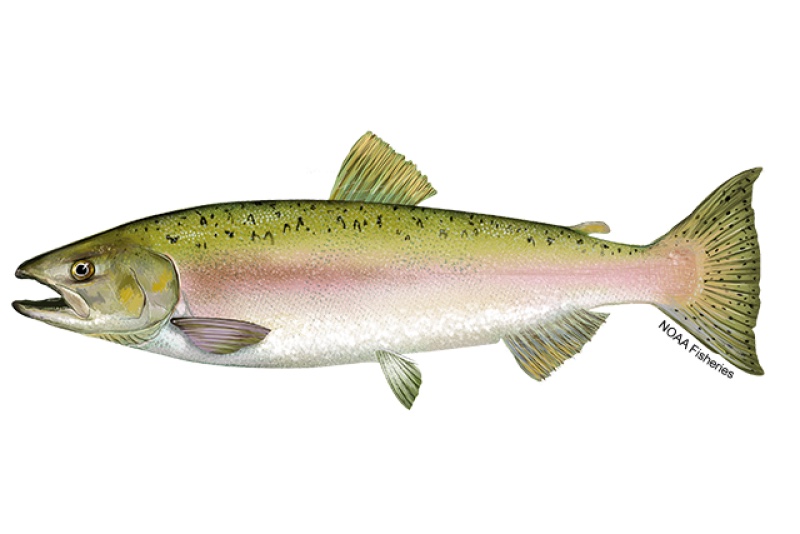
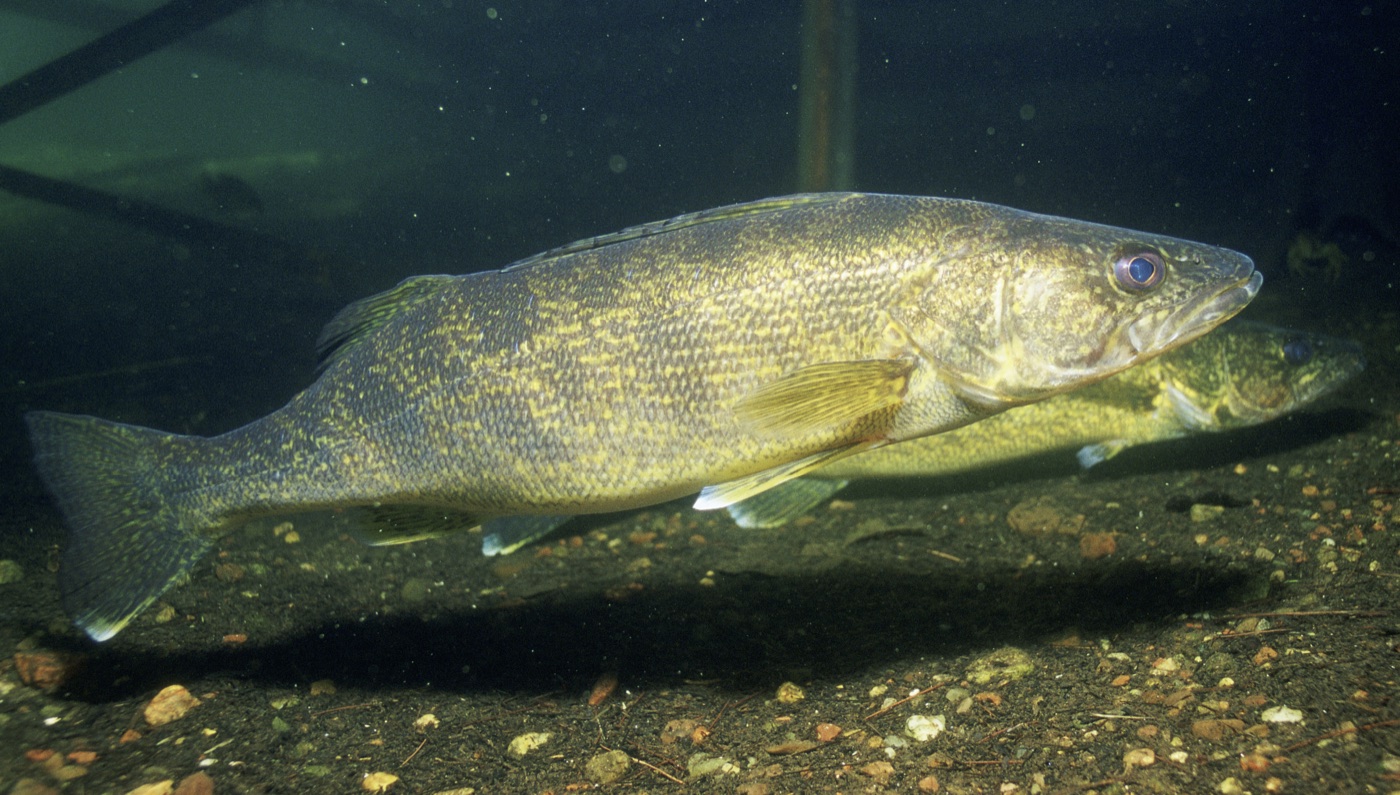
Iowa’s DNR, on walleye: a slip bobber rig is an excellent choice for lazy fish — “make sure your bobber is set so your bait is within a foot of the bottom.” Washington’s agency, on salmon: once the sun hits the water and fish move down, adjust the bobber stop so the bait or lure is within a foot of the bottom. Missouri’s bluegill advice starts higher in the column — one to three feet will usually do the trick, but fish deeper if the fish are deeper.
That is the rig’s real advantage over every other float: changing depth costs one slide of a knot, not a re-rig. When water temperature or dissolved oxygen pushes fish up or down the column, the slip float follows them in seconds.
Where it shines
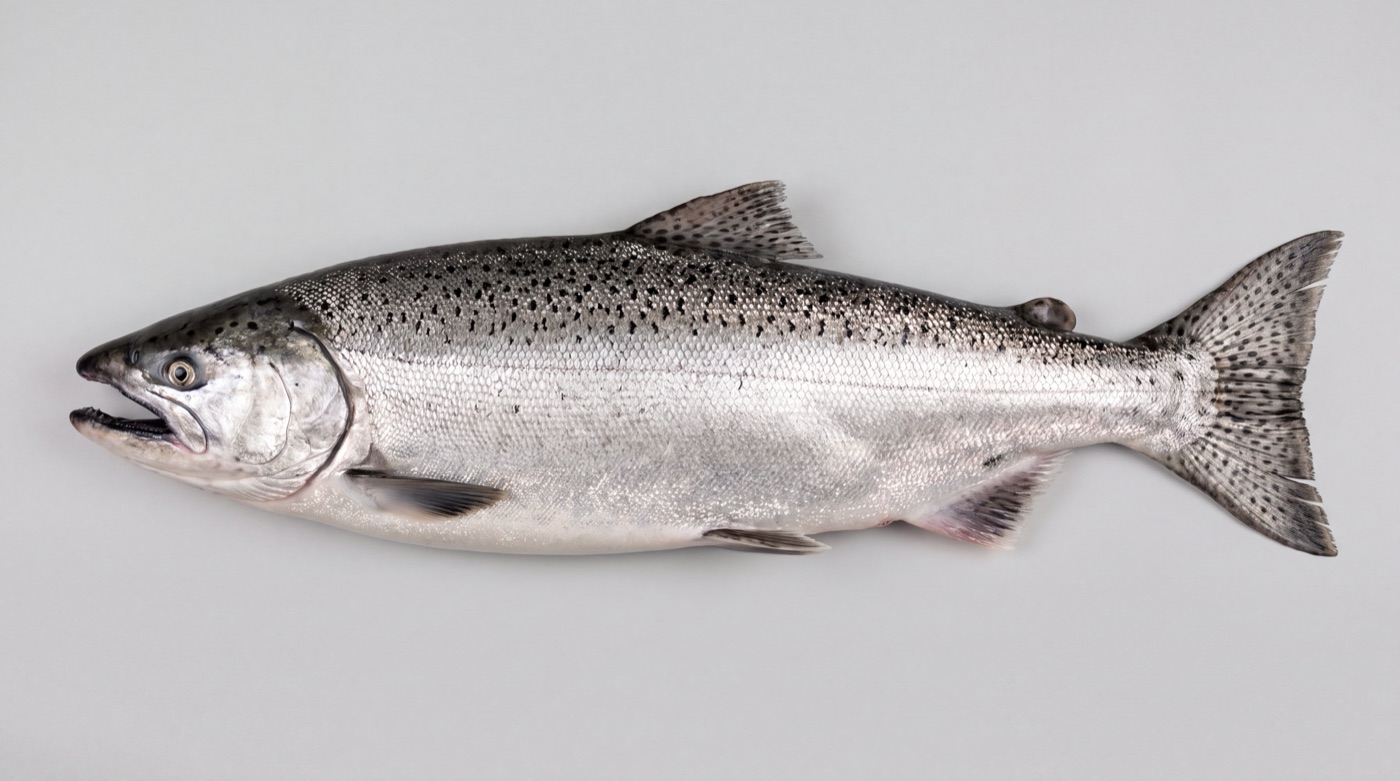
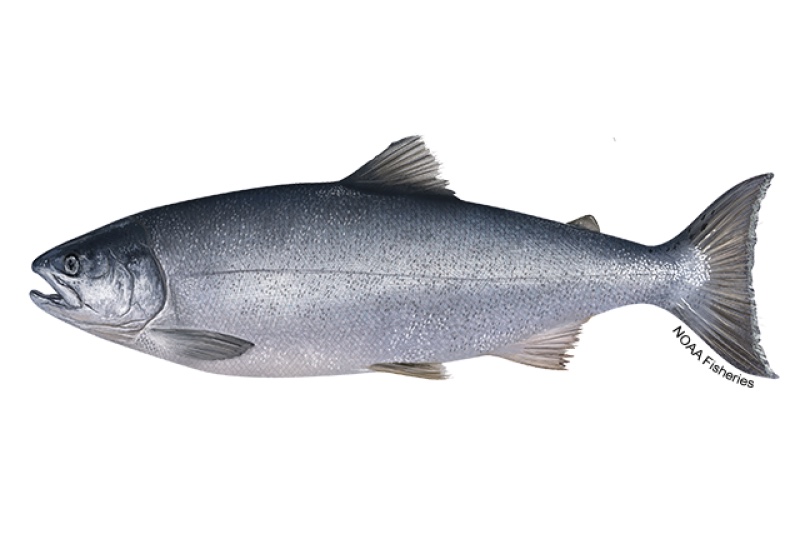
Washington’s agency names the conditions the rig was built for: float fishing is often used where water is very slow moving or even stationary — “such as in a big eddy or tidewater at slack tide.” Add to that anywhere you need to hold a bait precisely above something: a weed bed, a brush pile, a drop-off ledge.
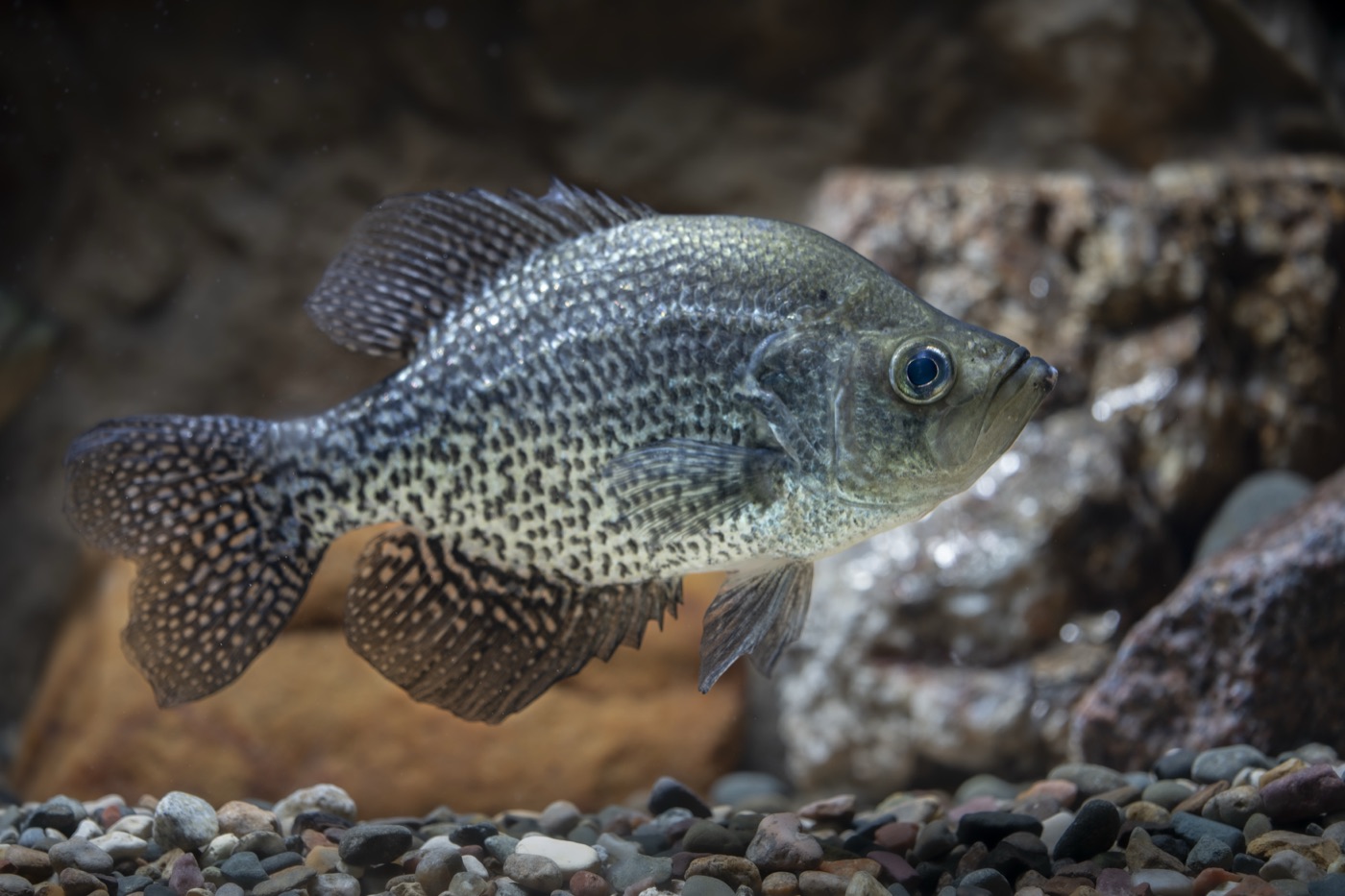
Species-wise, it is the panfish angler’s instrument first. Missouri notes the bobber-and-worm is the most popular bluegill technique, popular because it is easy — “especially for kids” — and because it works. But the same rig scales straight up: live bait for walleye on a reef edge, minnows for crappie suspended over brush, salmon in a tidewater eddy. Beginners and specialists fish the same rig for opposite reasons — one because it is simple, the other because nothing else suspends a bait so precisely for so long.
Pair it with the right hook size, keep the float small, and let the stop do the thinking. The rest of the toolkit — drop shot for fish glued to the bottom, fish finder for bait on the bottom, Texas and Carolina for cover — is laid out on our rigs page.
Frequently asked questions
What is a slip float rig and how is it different from a normal bobber?
A fixed bobber clips to the line at one spot, so the distance from bobber to hook is the deepest you can fish — and anything past a rod length becomes uncastable. A slip float is built around a hollow tube: the line runs through it, so the float slides freely until it meets a bobber stop you position anywhere on the line. Take Me Fishing explains the payoff — you can reel the bobber almost to the rod tip even though you're fishing 10, 15 or 20 feet deep.
How do I set up a slip float rig?
In order from the reel down: a bobber stop, a small bead, the sliding float, weight, then your hook or a leader to the hook. Washington's Department of Fish and Wildlife describes exactly that build — a sliding float, a swivel, enough weight to pull the line through the float, and a 12–24 inch leader in their salmon float-fishing setup — and notes the stop and bead are what set the fishing depth. The bead matters: it stops the small knot from slipping through the float's tube.
What is a bobber stop and can I make my own?
It's a small knot or bead on the main line that the sliding float bumps into, setting your depth. Washington's agency notes stops can be bought pre-tied or tied yourself from 15–30 lb Dacron using a uni knot. The critical property, in their words, is that a bobber stop can be reeled through the rod guides if necessary for easier casting — which is the entire reason deep slip-float fishing is practical.
What size bobber should I use?
The smallest one that will carry your bait. Missouri's Department of Conservation is direct: use a small bobber, just big enough to float your bait, because if it is too large the fish will feel the resistance and spit out the bait. Illinois' DNR makes the same point mechanically — the harder it is to pull the bobber under, the harder it is to detect a bite and hook a fish — and recommends adding split shot until the bobber nearly sinks, so there is very little resistance when a fish takes.
How deep should I set it?
Usually just off the bottom, unless fish are suspended. Iowa's DNR advice for walleye is to set the bobber so the bait sits within a foot of the bottom; Washington's agency gives the same instruction for salmon once the sun is on the water. Missouri's bluegill guidance starts shallower — one to three feet will usually do — with the note to go deeper if the fish are deeper. The float is a depth machine: change the stop, not the rig.
Sources
- Freshwater Salmon Fishing (float fishing) — Washington Department of Fish & Wildlife. Accessed August 16, 2026.
- Sunfish: Tips for Bluegill Fishing — Missouri Department of Conservation. Accessed August 16, 2026.
- Fishing — For Anglers of All Ages — Illinois Department of Natural Resources. Accessed August 16, 2026.
- Walleye — Fish Iowa — Iowa Department of Natural Resources. Accessed August 16, 2026.
- Try a Slip Bobber for Summer Sunfish — Take Me Fishing (Recreational Boating & Fishing Foundation). Accessed August 16, 2026.
- Bobber Stopper Fishing Knot — Take Me Fishing (Recreational Boating & Fishing Foundation). Accessed August 16, 2026.
- Fish Texas: A Basic Guide for the Beginning Angler — Texas Parks & Wildlife Department. Accessed August 16, 2026.
How we choose sources: sources policy.
More in this series
Know when it's worth going.
Fishing Club AI turns live weather, pressure and moon data into a simple bite forecast for your spot — so the skills you practise get used on the right day.
Get the App