Walleye Fishing: Light, Depth and a Slow Retrieve
Walleye fishing is organised around one adaptation: a light-sensitive membrane in the eye called the tapetum lucidum. Because their eyes are highly sensitive to light, Wisconsin's DNR describes walleye lingering in deeper, darker water by day and moving shallower to bars, shoals and weed beds to feed as the sun sets. Dawn, dusk and after dark are the productive windows, and cloudy skies or muddy water extend them. Then fish slowly and near the bottom, because walleye are deliberate biters.
Key takeaways
- Walleye eyes carry a tapetum lucidum, a light-sensitive membrane, which is why they hold deep by day and feed shallow at dusk.
- Wisconsin's DNR names dawn, dusk and after dark in May, June and October as the best times to fish for them.
- Muddy water or a cloudy sky can bring walleye out in daylight — the trigger is light level, not the clock.
- Keep the bait near the bottom and retrieve slowly: the agency describes walleye as slow, deliberate biters that need time to swallow the bait.
- Expect to work for them. Wisconsin's own guidance is at least eight hours on the water for every walleye in the pan.
Start with the eye
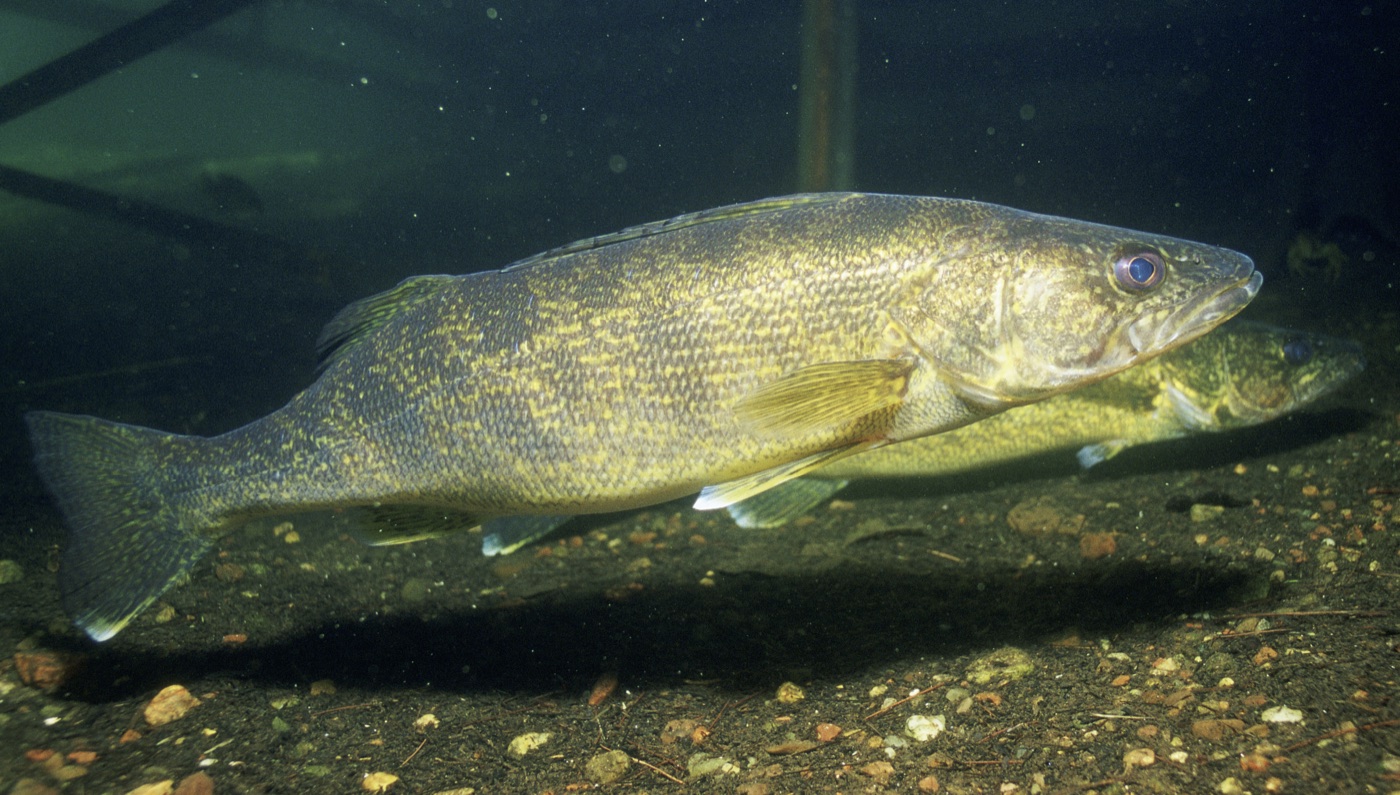
The walleye’s name is also its instruction manual. Wisconsin’s Department of Natural Resources describes the species’ distinctive eyes — silvery opaque marbles that glow in the dark — and explains the reflection as the work of the tapetum lucidum, a light-sensitive membrane inside the eye.
That membrane sets everything else. Because their eyes are highly sensitive to light, the agency writes, walleye linger in deeper, darker water during the day and move to shallower water near bars, shoals and weed beds to feed as the sun sets.
So the question “where are the walleye?” is really the question “where is the light?” — and the answer changes twice a day.
| Condition | Where they feed | Why |
|---|---|---|
| Bright day, clear water | Deep and dark; hard fishing | Light drives them down |
| Dusk and after dark | Shallower — bars, shoals, weed beds | Feeding window opens |
| Muddy water or cloudy sky | Can be active in daylight | Light penetration drops |
| Midsummer | Deep, cool water; prey taken in the depths | Temperature stacks on top of light |
| First ice and just before spring break-up | Actively feeding | The species feeds through winter |
Fish slowly, and near the bottom
Wisconsin’s DNR gives the retrieve in one line: keep the lure or bait near the bottom and reel it in slowly, because walleye are slow, deliberate biters and it is best to give them a chance to swallow the bait.
That is the single most common adjustment for anglers arriving from bass or pike fishing. A walleye does not usually announce itself. The agency also notes they are not spectacular fighters but put up a steady battle, always pulling for the bottom.
The species is a bottom-oriented open-water traveller: it lives near or on the lake bottom and moves through open water in loosely formed schools. There is a caution attached — walleye seldom congregate in any particular spot for long, a fact the agency says confounds even the most astute walleye anglers. Yesterday’s spot is a starting point, not a plan.
What they are hunting
Walleye are described as nocturnal predators that feed on unwary, often resting fish. Bullheads, freshwater drum, yellow perch, darters and minnows are named as favourite prey, with crayfish, insects and worms rounding out the diet.
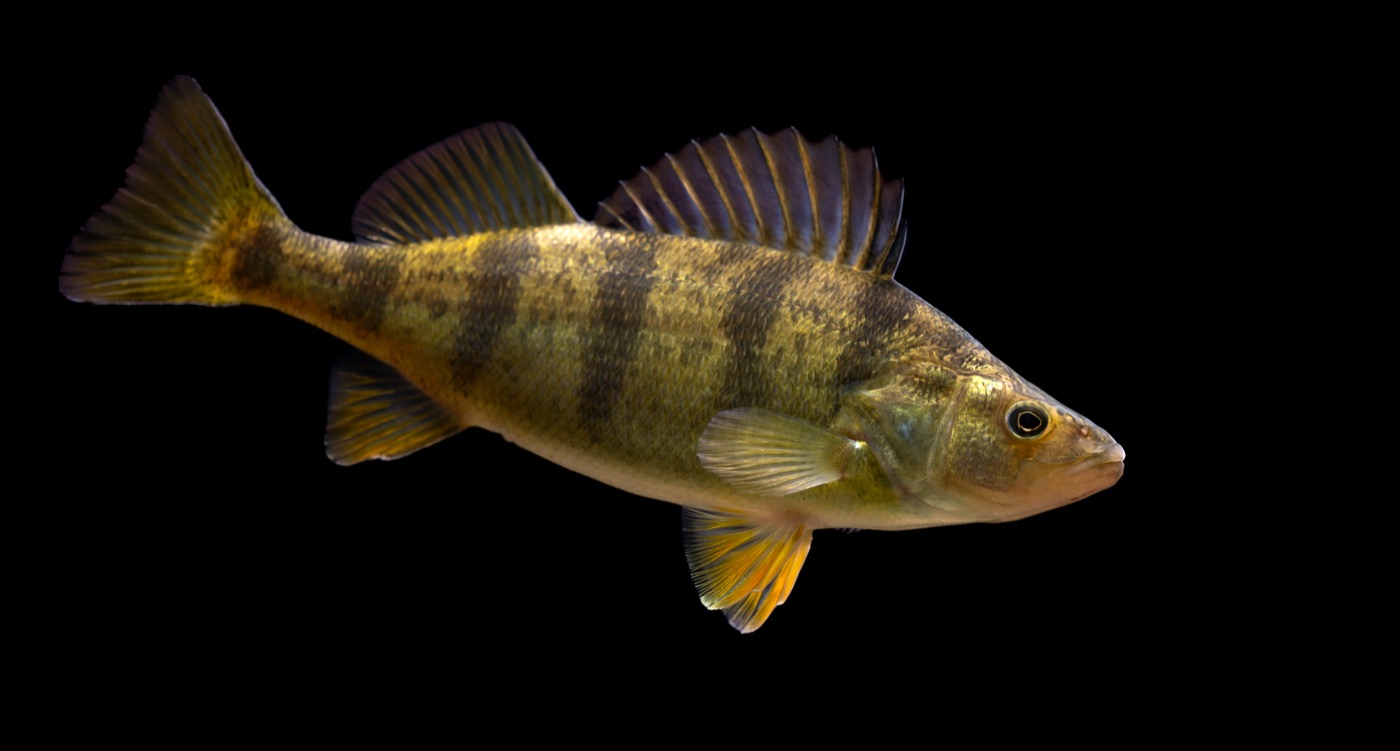
The relationship with yellow perch is worth understanding because it runs both directions. Each species preys on the other at different points in the life cycle: large walleye eat yellow perch, while yellow perch eat walleye fry. Where too many adult walleye are removed from a water, the perch population increases from lack of predation, the perch become stunted as they compete for limited food, and few young walleye survive the extra predation pressure to reach adulthood.
Methods, and the honest hit rate
The agency’s own list is deliberately broad — still fishing from an anchored boat with live bait, trolling with spinners, drifting with the wind or current, fly casting with streamer flies or poppers on quiet calm nights near the edges of rocky bars or weed beds, bait casting with minnows, worms, night crawlers, spoons and plugs, and ice fishing with tip-ups or jigs.
Its summary of that list is refreshingly plain: there are a lot of different ways to catch walleye, and you may have to try them all.
It is equally plain about effort. Although fishing surveys show walleye is Wisconsin’s most popular sport fish, the agency warns not to assume it is an easy one to catch, and puts the expectation at at least eight hours on the water for every walleye in the pan.
That figure is a useful antidote to forecast optimism. The Escanaba Lake creel study found the same thing from the data side: for walleye, angler-related variables such as guide status and bait type outweighed every environmental factor measured, though low-light conditions did register a real positive effect.
Spring: the one predictable window
Between mid-April and early May, walleye migrate to wind-swept rocky shorelines, flooded wetlands or inlet streams with gravel bottoms to spawn. The distances can be long — Lake Winnebago walleye may swim 100 miles up the Wolf River to reach suitable spawning habitat.
Males arrive first and outnumber females seven to one. Females move into shallow water, typically four feet deep or less, and an average female lays about 50,000 eggs, usually spawning out completely in one night. Eggs hatch in 26 days at 40°F, 21 days at 50 to 55°F, and 7 days at 57°F.
Wisconsin’s DNR notes the fish bite readily during the famous Winnebago system runs, and are likely to reward even the unluckiest of anglers. It also notes that walleye fishing quality varies year to year, because successful year classes depend on spring flooding of spawning grounds — a dry spring hurts that year’s hatch.
Handling, and one health note
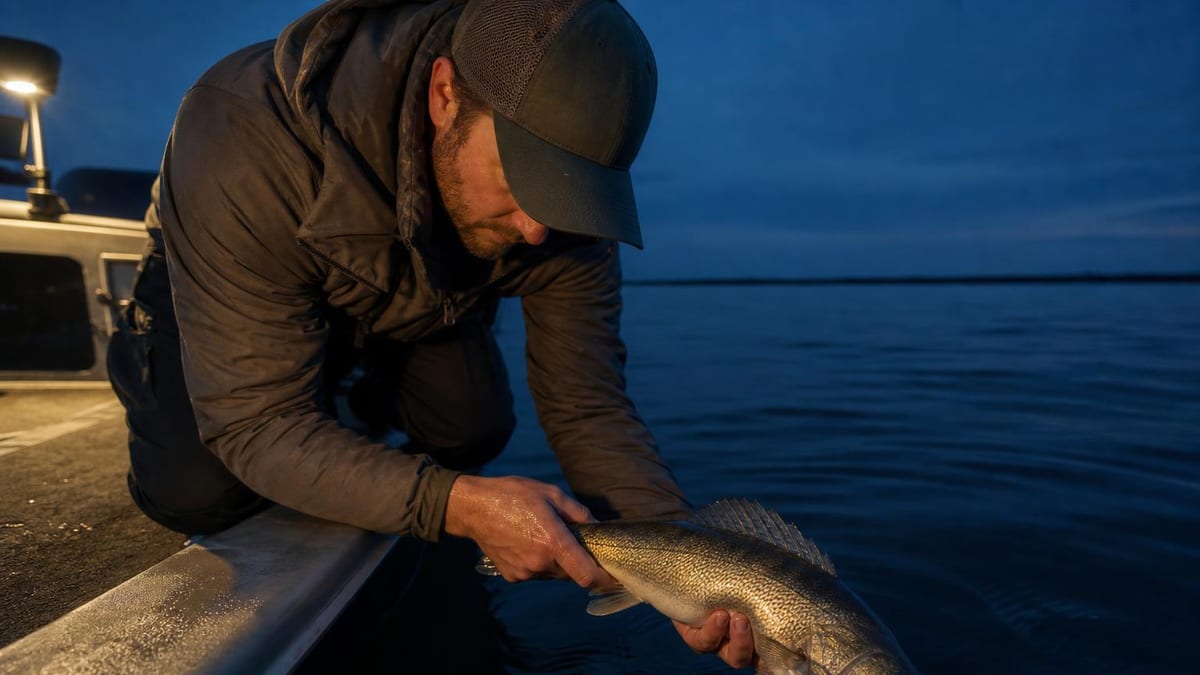
Catch and release is common practice, and the agency’s guidance for it is specific: do not land the fish. Reel it alongside the boat and gently remove the hook, or cut the hook off with a wire cutter. If the hook has been swallowed, cut the line and let the fish go — the hook will gradually disintegrate. Our catch and release guide covers the wider handling picture.
Large older walleye destined for the table should be eaten with more care. They can accumulate PCBs, pesticides or mercury as they feed on smaller fish containing trace amounts, and state agencies publish fish consumption advisories listing affected waters.
Walleye pressure is not trivial either: Wisconsin’s DNR estimates anglers hook 25 to 35 percent of the entire adult walleye population every year, which is why the state stocks 50 to 80 million fry and about 3 million fingerlings annually.
Species detail is on the walleye page, and walleye vs perch covers telling the two apart — the dark blotch in the lower back corner of the first dorsal fin and the white tip on the lower caudal fin separate a walleye from a sauger. Rules on what you may keep come from your state agency; see licences and regulations.
Frequently asked questions
What is the best time of day to catch walleye?
Low light. Wisconsin's DNR names dawn, dusk and after dark as the best times, and singles out May, June and October among the months. The reason is anatomical rather than habitual: walleye eyes contain a tapetum lucidum, a light-sensitive membrane that also causes the reflective glow anglers notice at night. Because their eyes are so sensitive, they linger in deeper, darker water during the day and move to shallower water near bars, shoals and weed beds to feed as the sun sets. The same source notes they may also be active in daytime when the water is muddy or the sky is cloudy.
How deep should I fish for walleye?
Deep by day, shallower at dusk, and near the bottom throughout. Wisconsin's DNR describes walleye living near or on the lake bottom and travelling through open water in loosely formed schools. In midsummer they remain in deep, cool water and hunt prey in the depths. The agency also notes that walleye seldom congregate in any particular spot for long, which is why finding them once does not guarantee finding them there tomorrow.
What do walleye eat?
Mostly other fish, taken at rest. Wisconsin's DNR describes walleye as nocturnal predators that feed on unwary, often resting fish, with bullheads, freshwater drum, yellow perch, darters and minnows as favourite prey, and crayfish, insects and worms rounding out the diet. There is a documented relationship with yellow perch in particular: each species preys on the other at different points in the life cycle, with large walleye eating yellow perch and yellow perch eating walleye fry.
How should I retrieve for walleye?
Slowly, near the bottom. Wisconsin's DNR advice is to keep the lure or bait near the bottom and reel it in slowly, because walleye are slow, deliberate biters and it is best to give them a chance to swallow the bait before setting the hook. That is the opposite instinct to fishing for a species that strikes hard, and it is the adjustment most anglers coming from bass fishing have to make.
What methods work for walleye?
Several, and the agency's own framing is that you may have to try them all. Wisconsin's DNR lists still fishing from an anchored boat with live bait, trolling with spinners, drifting with the wind or current, fly casting with streamer flies or poppers on quiet calm nights near the edges of rocky bars or weed beds, bait casting with minnows, worms, night crawlers, spoons and plugs, and ice fishing with tip-ups or jigs.
How big is an average walleye?
Smaller than the photographs suggest. Wisconsin's DNR puts the average catch at about one and a half pounds and describes walleye over 10 pounds as rare in the state. Growth is steady rather than fast: about 5 inches at age one, 10 at two, 14 at three, 19 at four, 21 at five and 26 by seven. Males mature at two to three years and 12 to 13.5 inches; females at four to five years and 15 to 17 inches, and females grow faster and larger. Average lifespan is about seven years.
Sources
- Walleye (PUBL-FM-708 08, July 2008), Wisconsin fish species guide — Wisconsin Department of Natural Resources, Bureau of Fisheries Management. Accessed August 21, 2026.
- Angler and environmental influences on walleye and muskellunge angling vulnerability, Escanaba Lake 2003-2015 — PLOS ONE 16(9): e0257882. Accessed August 21, 2026.
- Crappie (PUBL-FM-708), Wisconsin fish species guide — Wisconsin Department of Natural Resources, Bureau of Fisheries Management. Accessed August 21, 2026.
- How Reliable Are Weather Forecasts? — NOAA National Environmental Satellite, Data, and Information Service. Accessed August 21, 2026.
- Fishing in Virginia — Virginia Department of Wildlife Resources. Accessed August 21, 2026.
How we choose sources: sources policy.
More in this series
Know when it's worth going.
Fishing Club AI turns live weather, pressure and moon data into a simple bite forecast for your spot — so the skills you practise get used on the right day.
Get the App