How Fish Find Your Bait: Sight, Smell, Hearing and the Lateral Line
Fish find bait with six senses, according to Minnesota's DNR: sight, smell, taste, hearing, touch and the lateral line — a row of vibration-sensing pores along each side. A fish typically hears and feels a lure first through its ears and lateral line, sees it to judge whether it looks like food, then smells or tastes it before eating. Catfish and walleye can taste with their skin and lips.
Key takeaways
- Minnesota's DNR calls the lateral line the sixth sense of fish — an extension of hearing that senses the location and direction of vibrations in the water.
- The agency's sequence: fish hear and feel their way to a lure with ears and lateral line, see it, then smell or taste it before eating.
- Fish hearing is sensitive enough, the DNR says, to hear a worm wiggling on the bottom — and loud footsteps or talking can spook them.
- Catfish have taste buds from head to tail and taste with their barbels; walleye have taste buds on lips and face and can taste a lure without opening their mouths.
- Fish smell people: the DNR lists hand lotion, perfume, deodorant, tobacco, gasoline and insect repellent as scents that send fish away from a bait.
Six senses, and the order they use them
Minnesota’s Department of Natural Resources teaches fish biology to school groups through its MinnAqua programme, and its lesson on the subject opens with a count most anglers get wrong. In addition to taste, smell, sight, hearing and touch, fish have a sixth sense — the lateral line, which senses vibration in the water. The programme calls it an extension of hearing.
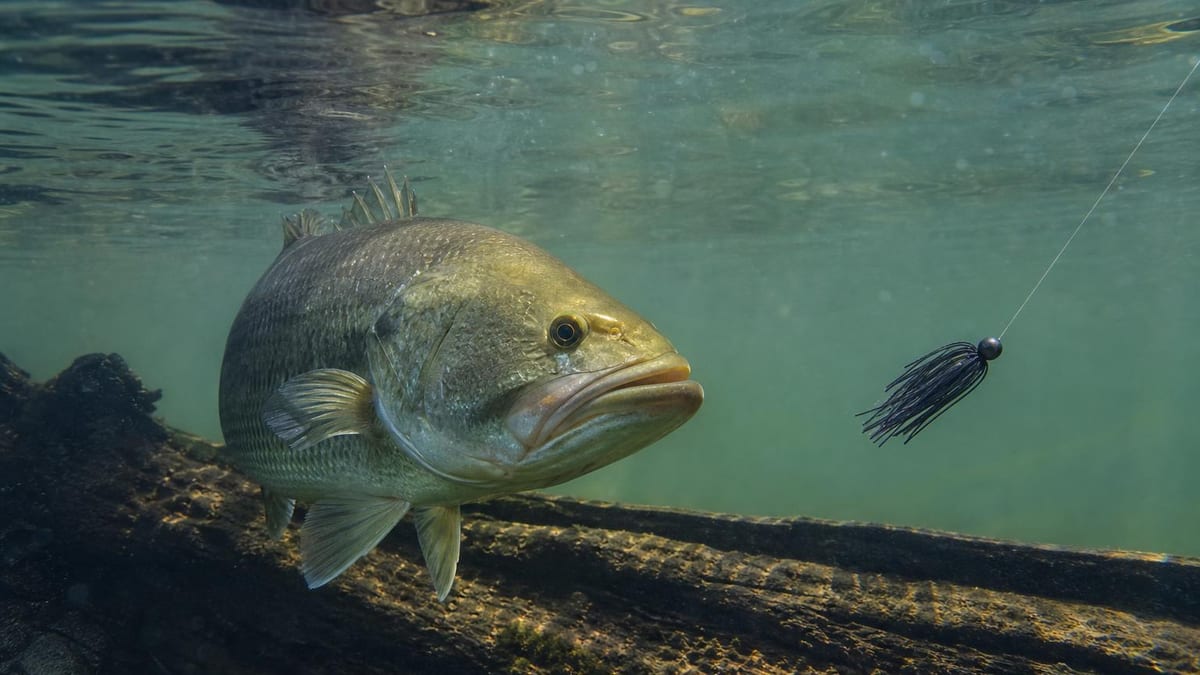
More useful than the count is the sequence. The agency describes a fish approaching a lure like this: it hears and feels its way to the lure with its ears and lateral line; when it sees the lure, it judges whether it looks like something it usually eats; it might then smell or taste the lure before eating it.
Sight comes third. That ordering explains most of what follows.
The lateral line
The agency’s description of the structure is precise. A fish’s lateral line is a network of ultra-sensitive nerve endings running along its sides from the gills to the tail. It consists of tiny pores containing hairs connected to nerve endings beneath the skin, and the hairs detect the location and direction of vibrations in the water.
What it is for, in the agency’s words:
- finding a meal, by sensing smaller fish swimming nearby
- avoiding becoming one, by sensing lurking predators
- swimming in a school without bumping into the others
And what it means on a dock, from the programme’s take-along guide: fish have a vibration-sensing lateral line, and loud talking and loud footsteps can easily distract or frighten them away from your bait. Sound in air mostly reflects off water; a boot on a plank goes straight in.
Hearing
Fish have ears, even though you cannot see them. They do not need openings on the outside, the agency explains, because sound travels so well through water; the inner ear is built like a human’s, with receptors for balance and hearing.
The lesson’s illustration of the sensitivity: fish hearing is so acute that they can hear a worm wiggling at the bottom of a lake. Its warning follows: even the faintest sound can spook fish. Combined with the lateral line, this is the sense that reaches a fish first — before it has seen anything.
Smell
Fish use their noses for smelling rather than breathing. Through the nostrils — usually two openings on either side of the snout — a fish can smell food from great distances, the agency says; it swims to the source and uses its taste buds to decide if the thing is edible. Salmon navigate hundreds of miles back to their birth stream on smell and taste.
Fish also use smell to sense danger, and here the lesson gets specific in a way that matters at the tackle box. Many fish can smell people, and will swim away from any bait that smells like:
- hand lotion
- perfume or deodorant
- tobacco
- gasoline
- insect repellent
That list is a description of most anglers’ hands on a summer morning. The agency’s point is not to buy something to mask it; it is to rinse before you bait up.
Taste — including without the mouth
Fish have tongues with thousands of taste buds, like people. Two species take it further, and both matter to anglers.
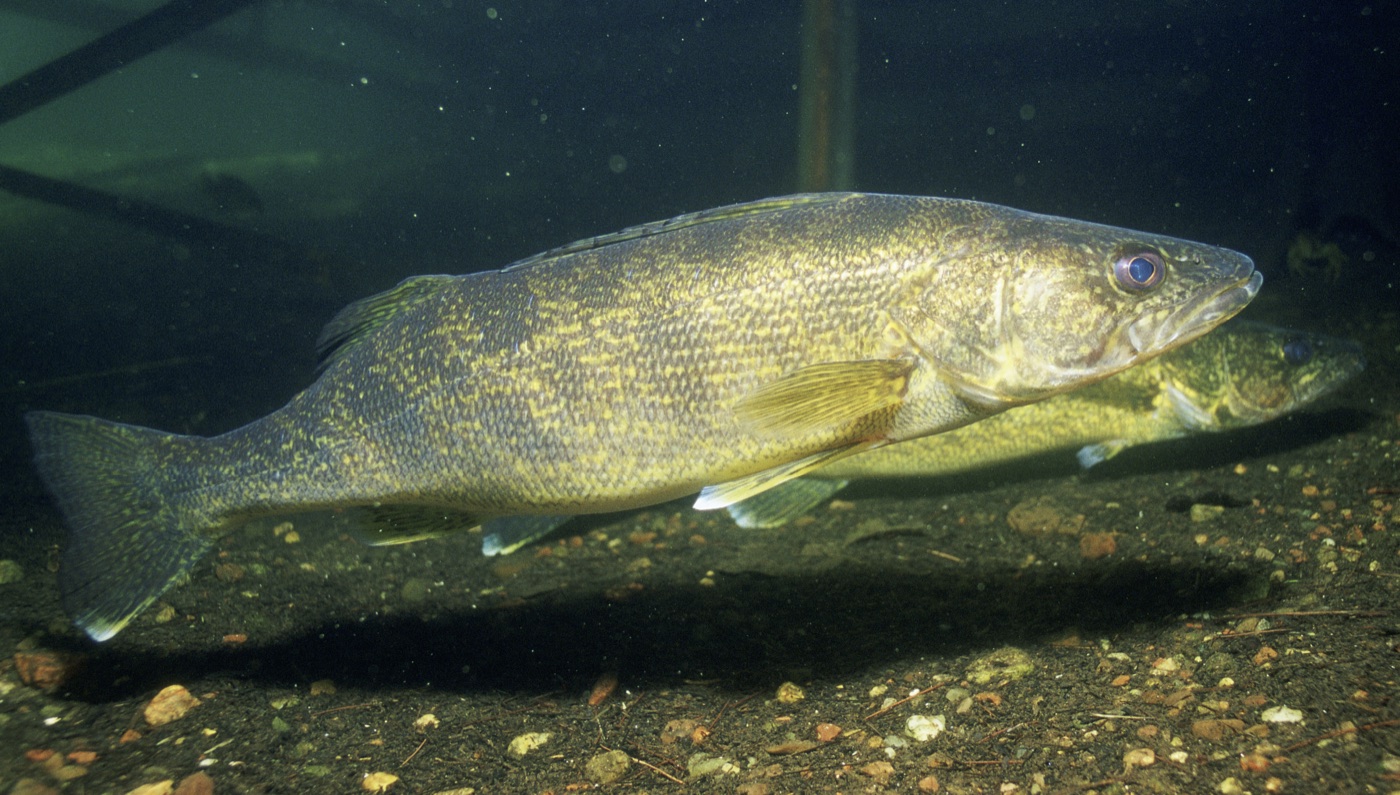
Walleye have taste buds on their lips and faces, so, in the agency’s words, a walleye can taste a fishing lure without ever opening its mouth. The lesson offers this as the likely explanation for something walleye anglers describe — a “bump” without a bite — as a finicky fish tasting the lure. Wisconsin’s DNR’s advice to fish walleye slowly and give them time to take the bait fits the same picture.
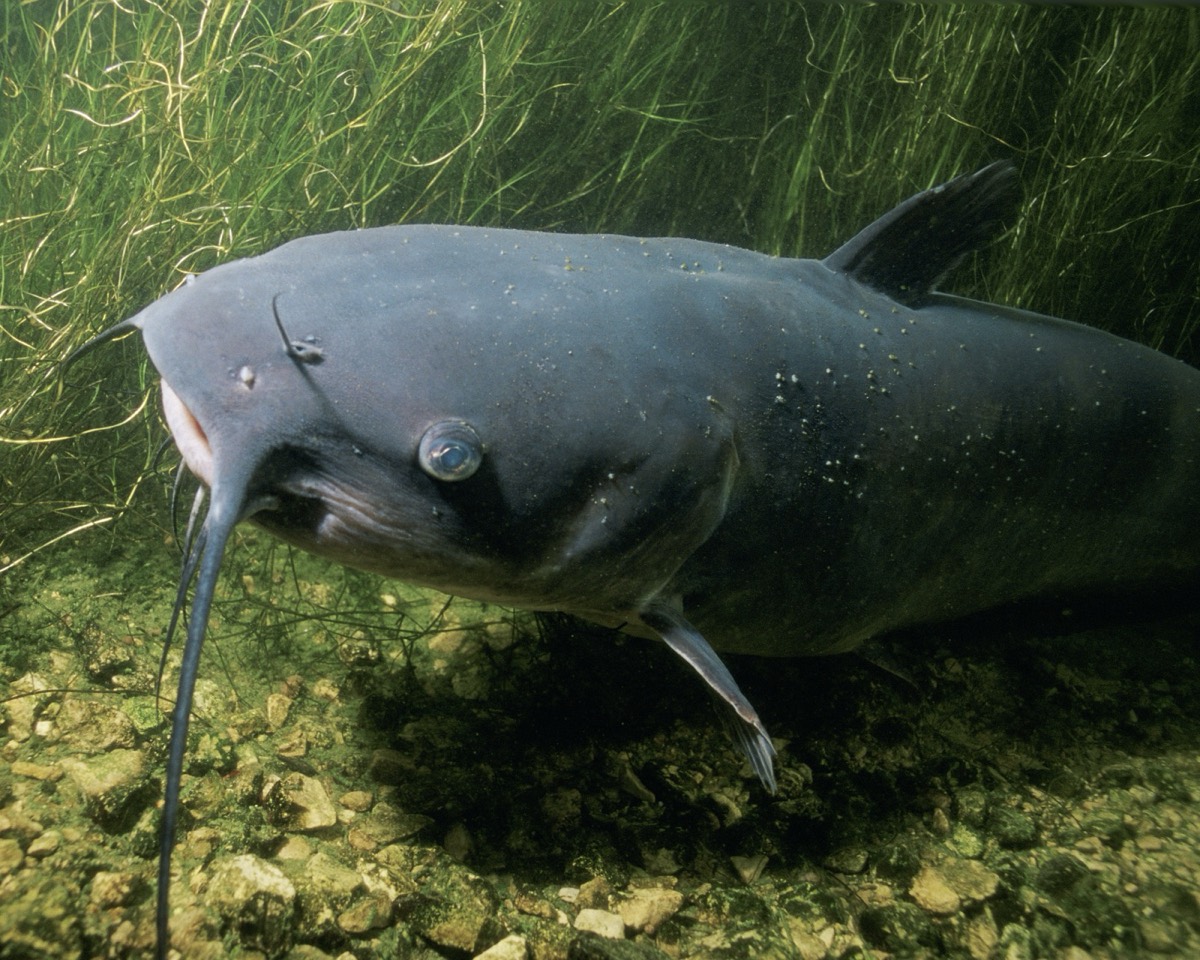
Catfish have taste buds on their bodies from head to tail, and barbels. The Minnesota lesson describes barbels as soft, whisker-like sensory structures above and below the mouth that work like taste buds; Wisconsin’s DNR calls them fleshy sensors capable of feeling and tasting, eight of them. Catfish drag their barbels along the bottom to find food, and when they touch something edible — the Minnesota lesson’s examples are a dough ball, chicken liver or stink bait — the fish stops and takes a bite. Wisconsin’s DNR draws the conclusion: catfish depend more on smell and touch than on sight to find their dinner, which is why they feed at night and in turbid water without difficulty. Our catfish fishing and live bait guides list the baits that exploit it.
Sight
Sight is third in the sequence, but it decides whether the fish commits. The agency’s phrasing: when the fish sees the lure, it can tell if it looks like something it usually eats.
Two points from the lesson about the angler’s side of the glass. Light bends when it passes from air into water, which shapes what a fish can see above the surface; the lesson’s practical advice is to stay out of a fish’s field of vision by crouching or sitting at the water’s edge rather than standing over it.
Species differ here more than anywhere. Wisconsin’s DNR describes walleye eyes as highly sensitive to light — the reflective tapetum lucidum is what makes them glow in a torch beam — which keeps the fish deep by day and feeding at dusk and after dark. Our night fishing guide covers that, and lure colour covers what fish can and cannot distinguish underwater.
Touch, and why slime matters
Fish feel with their skin and, in the whiskered species, their barbels. The angler’s contact with that sense is at the landing net. MinnAqua’s handling guide explains that a fish produces slime on its skin as protection, and that dry hands or a rough net wipe it away — which is the reason for wet hands, rubber nets and minimal handling in our catch and release guide.
What to do with all this
The agency lesson ends by asking students to describe how anglers can reduce the chances that fish detect their presence, and the answers are the summary of this page:
| Sense | What reaches it | The adjustment |
|---|---|---|
| Lateral line and hearing | Footsteps, dropped gear, talking, motor noise | Be still and quiet; approach slowly |
| Smell | Lotion, fuel, repellent, tobacco on hands and bait | Rinse hands before baiting; handle bait less |
| Sight | Your silhouette above the surface | Crouch or sit; keep low on clear, calm water |
| Taste | The lure itself, on the lips of a walleye or the barbels of a catfish | Give slow biters time; scented natural baits for touch-feeders |
None of it requires buying anything. It requires believing the fish can hear you, which the agency that teaches this has been telling children for years.
Frequently asked questions
How many senses do fish have?
Six, by Minnesota's DNR's count. Its MinnAqua programme teaches that in addition to taste, smell, sight, hearing and touch, fish have a unique sensory structure called the lateral line, which enables them to sense vibrations in the water. The programme calls it the sixth sense of fish and describes it as an extension of the sense of hearing. The lesson's practical point for anglers is that fish detect people with all six, and most of the ways to reduce that detection are about vibration and smell rather than sight.
What is a fish's lateral line?
A network of ultra-sensitive nerve endings running along each side from the gills to the tail, in Minnesota's DNR's description. It consists of tiny pores containing hairs connected to nerve endings beneath the skin; the hairs detect the location and direction of vibrations in the water, letting the fish sense the movement of other fish and aquatic animals. The agency says it helps a fish find a meal by sensing smaller fish nearby, avoid becoming one by sensing predators, and swim in a school without bumping into its neighbours. It is also why the lesson tells anglers to keep still: loud talking and loud footsteps on a dock reach the fish as vibration.
Can fish hear?
Yes, and better than most anglers assume. Minnesota's DNR explains that fish have ears but need no external openings because sound travels so well through water; the inner ear, like a human's, carries receptors for balance and hearing. The agency's example of the sensitivity is that fish can hear a worm wiggling at the bottom of a lake, and it warns that even the faintest sound can spook fish. Together with the lateral line, hearing is the sense the agency says fish use first — they hear and feel their way to a lure before they see it.
Can fish smell?
From a great distance. Minnesota's DNR describes fish using their nostrils — usually two openings on each side of the snout — for smelling rather than breathing, and says a fish can smell food from far away, swim to the source, and then use taste buds to check whether it is edible. Salmon use smell and taste to find the stream they were born in. The angling consequence the agency draws is about your hands: many fish can smell people, and will swim away from bait that smells of hand lotion, perfume, deodorant, tobacco, gasoline or insect repellent.
Do fish taste bait before eating it?
Often, and some taste it without touching it with their mouths. Minnesota's DNR says fish have tongues with thousands of taste buds, and that walleye also have taste buds on their lips and faces — a walleye can taste a lure without opening its mouth, which the agency offers as the likely explanation for the 'bump' walleye anglers feel without a bite. Catfish go further: taste buds from head to tail, plus barbels — soft, whisker-like sensors that Wisconsin's DNR describes as capable of feeling and tasting — which they drag along the bottom until they touch something edible and stop to bite.
What does this mean for how I fish?
Three things, all from the agency material. Be quiet and still: vibration through the dock or bank reaches the lateral line and the ears before any lure does. Keep foreign smells off the bait: the DNR's list of scents fish avoid is a list of things on most anglers' hands. Stay low: the lesson notes that light bends entering water and that a fish's field of view above the surface is limited, so crouching or sitting at the water's edge keeps you out of it. For species that hunt by smell and touch, like catfish, the agency's list of odorous baits is the direct application.
Sources
- Fishing: Get in the Habitat! Lesson 2:1 — Fish Sense — Minnesota Department of Natural Resources (MinnAqua) / USFWS Sport Fish Restoration. Accessed September 25, 2026.
- Pier Notes: Casting, Finding, Landing, and Fish Senses — Minnesota Department of Natural Resources (MinnAqua). Accessed September 25, 2026.
- Catfish (PUBL-FH-713), Wisconsin fish species guide — Wisconsin Department of Natural Resources, Bureau of Fisheries Management. Accessed September 25, 2026.
- Walleye (PUBL-FM-708), Wisconsin fish species guide — Wisconsin Department of Natural Resources, Bureau of Fisheries Management. Accessed September 25, 2026.
- Pier Notes: Handling Fish, Hook Removal, Fish Anatomy — Minnesota Department of Natural Resources (MinnAqua). Accessed September 25, 2026.
How we choose sources: sources policy.
More in this series
Know when it's worth going.
Fishing Club AI turns live weather, pressure and moon data into a simple bite forecast for your spot — so the skills you practise get used on the right day.
Get the App